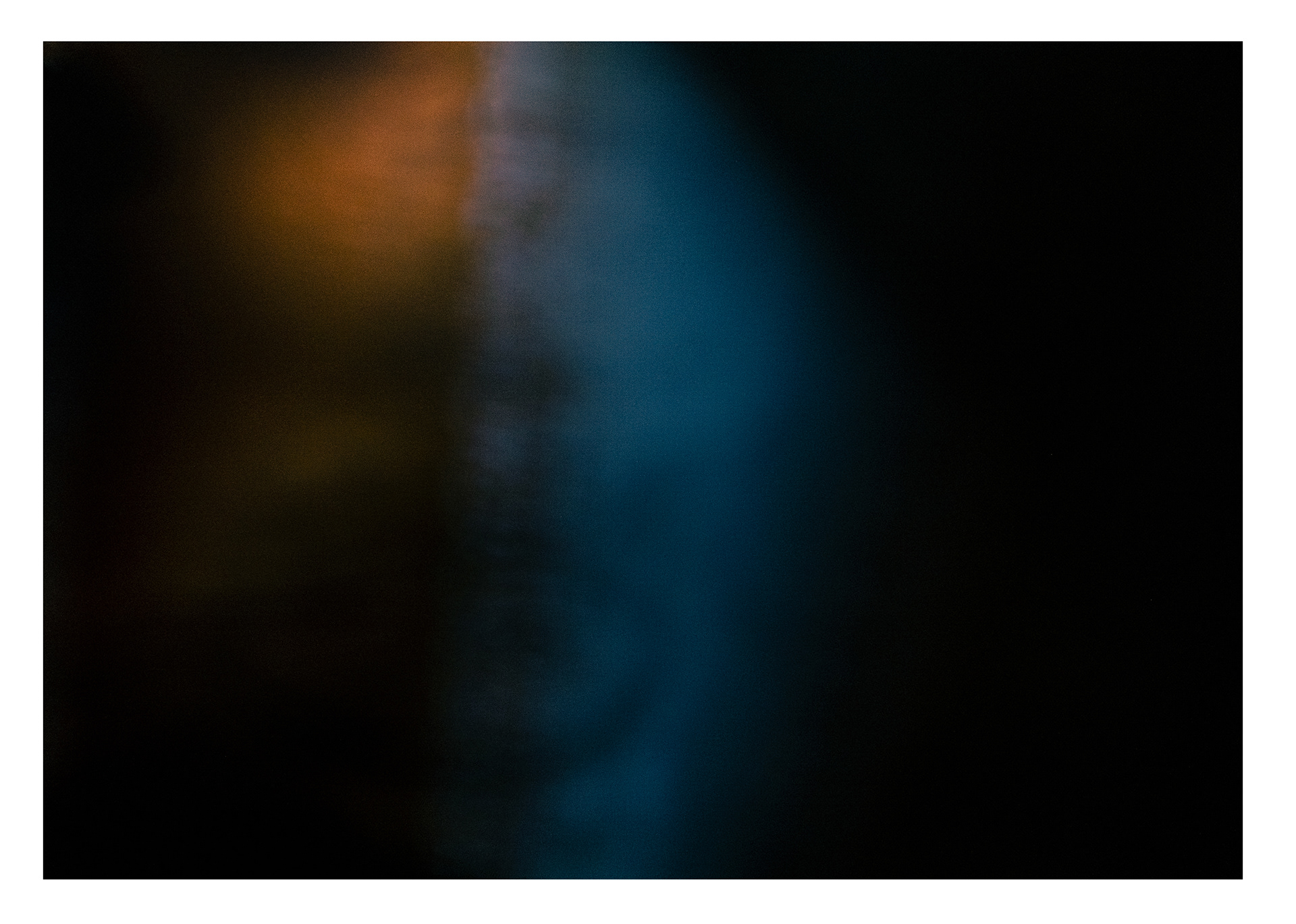
Most of our lives are spent not in physical reality, but in a private, imaginative landscape we invent for ourselves. We live by imagining the world we inhabit. Just over three years ago, I set out to explore this very human internal space, where memories, thoughts, and dreams blur into something entirely new. In dreams the brain stops processing the external world and begins to invent its own.
The 4.2 hz. Frequency . REM
In clinical somnology, the most vivid dreaming occurs during REM sleep, and is characterised by high-frequency, low-amplitude brain waves, specifically the 4.2 Hz frequency.
At 4.2 Hz—often referred to as the "Low Theta Plateau"—the brain discards the noise of the waking world. During these hours, your brain stops processing external input and begins to generate its own data. This state typically lasts for approximately four hours.
At this frequency, your mind feels larger than your physical self. You stop being a spectator and become the light you perceive.
During this process, memory acts as a sieve, filtering a lifetime of "neurological debris" to find moments of true significance. Your brain is not looking for a narrative; it is gathering the fragments that carry the most weight.
Dreams do not begin as stories; they begin with a jolt. Electrical waves pulse through your visual cortex, causing the darkness to bleed into colour.
At 4.2 Hz, you are no longer just watching the light, you are the light.
A Physical Approach to the Subconscious
In an era of digital perfection, this project focuses on the tactile. There is no artificial intelligence involved here. Every image was captured using a single Fujifilm camera to ensure a physical relationship with the light, texture, and subject matter.
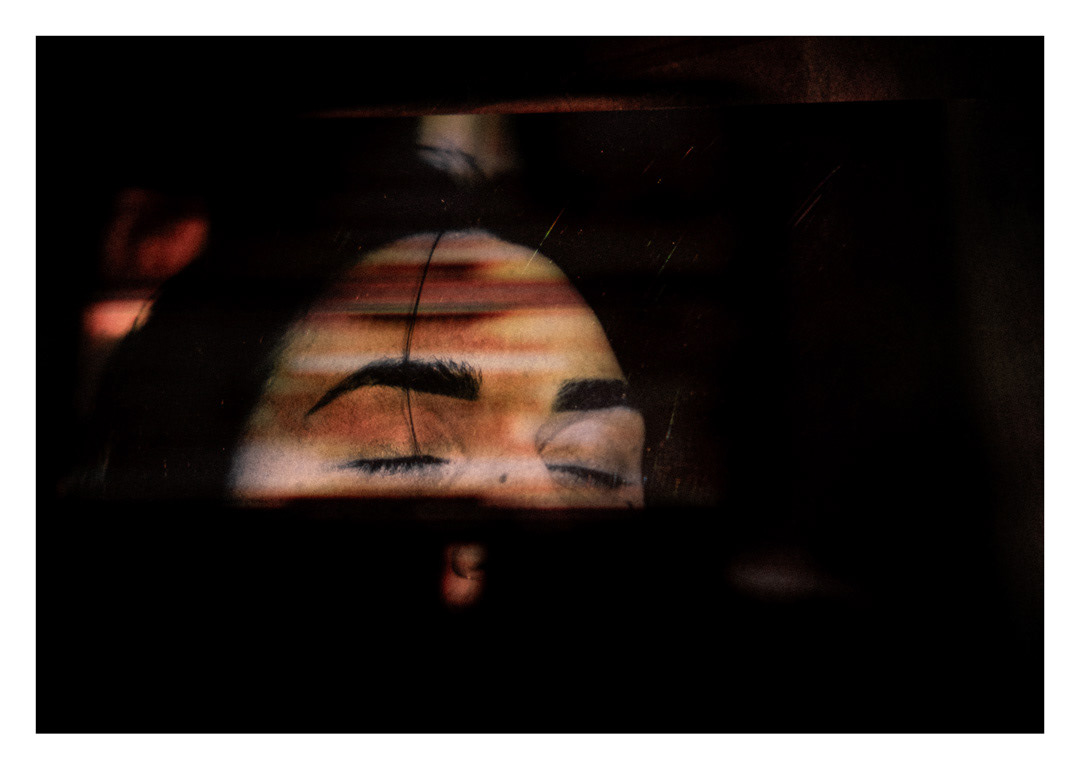
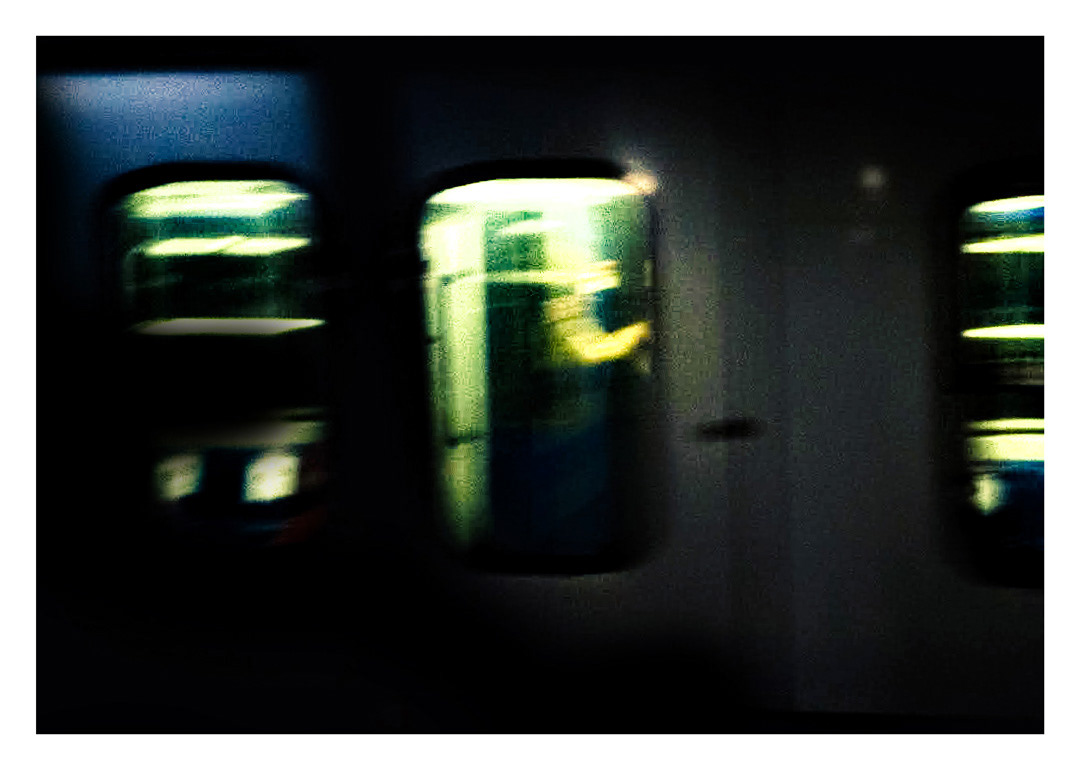
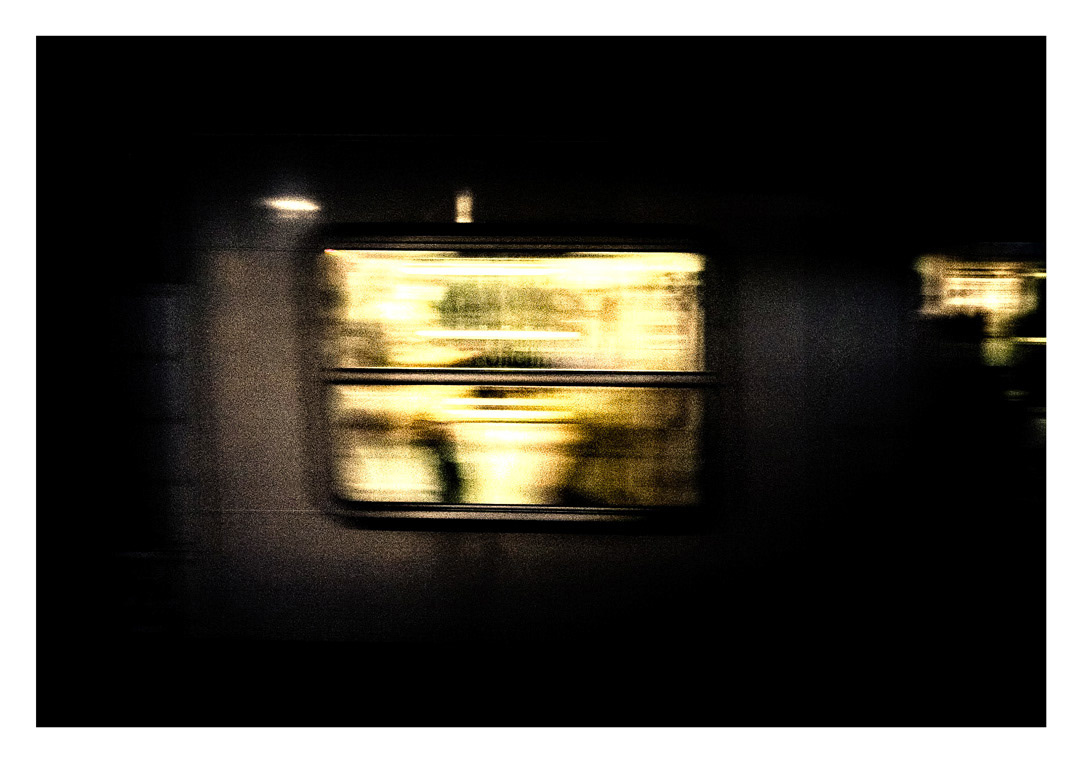
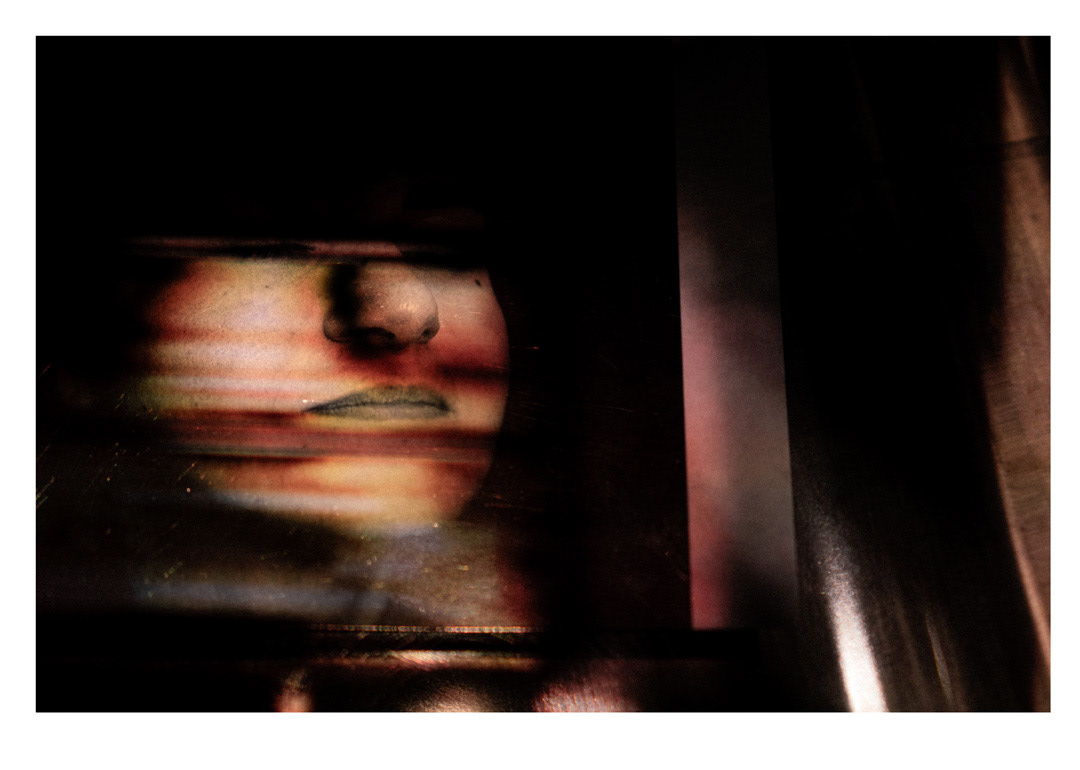
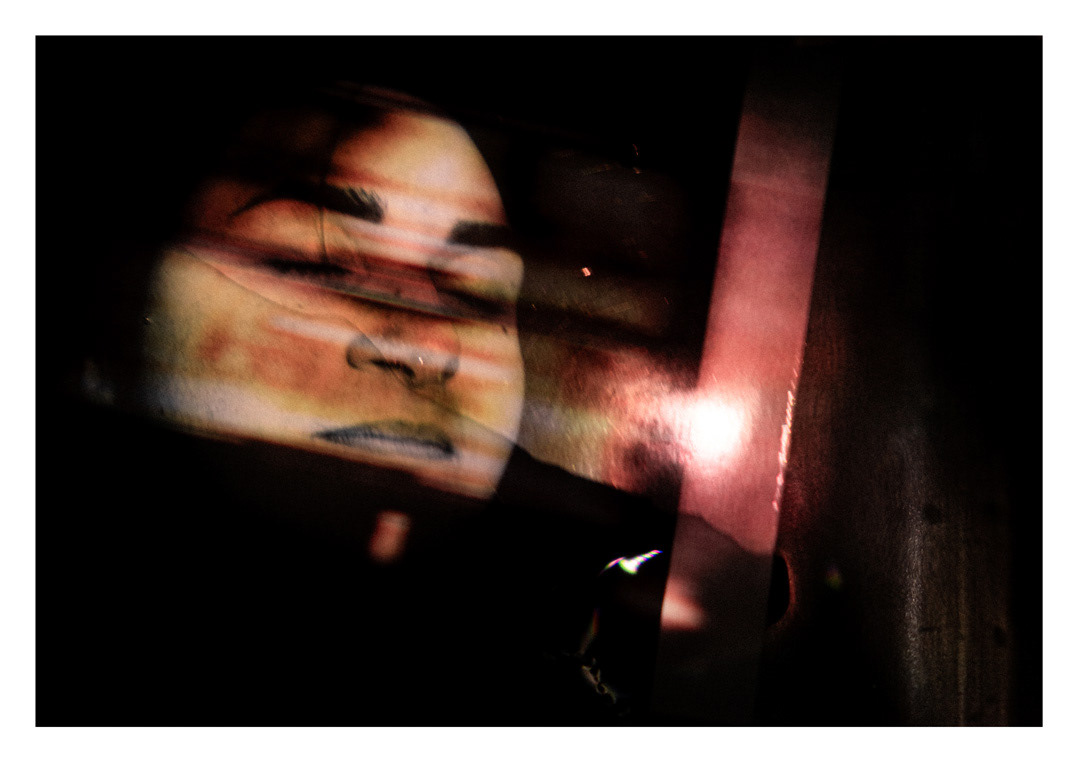
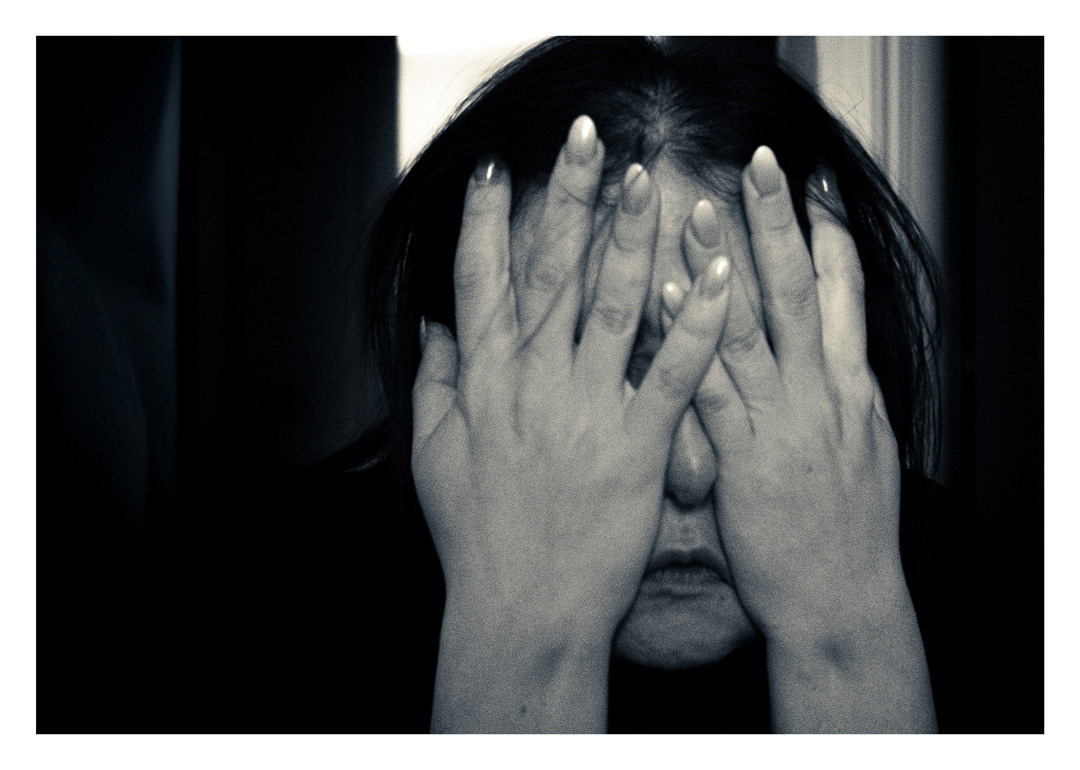
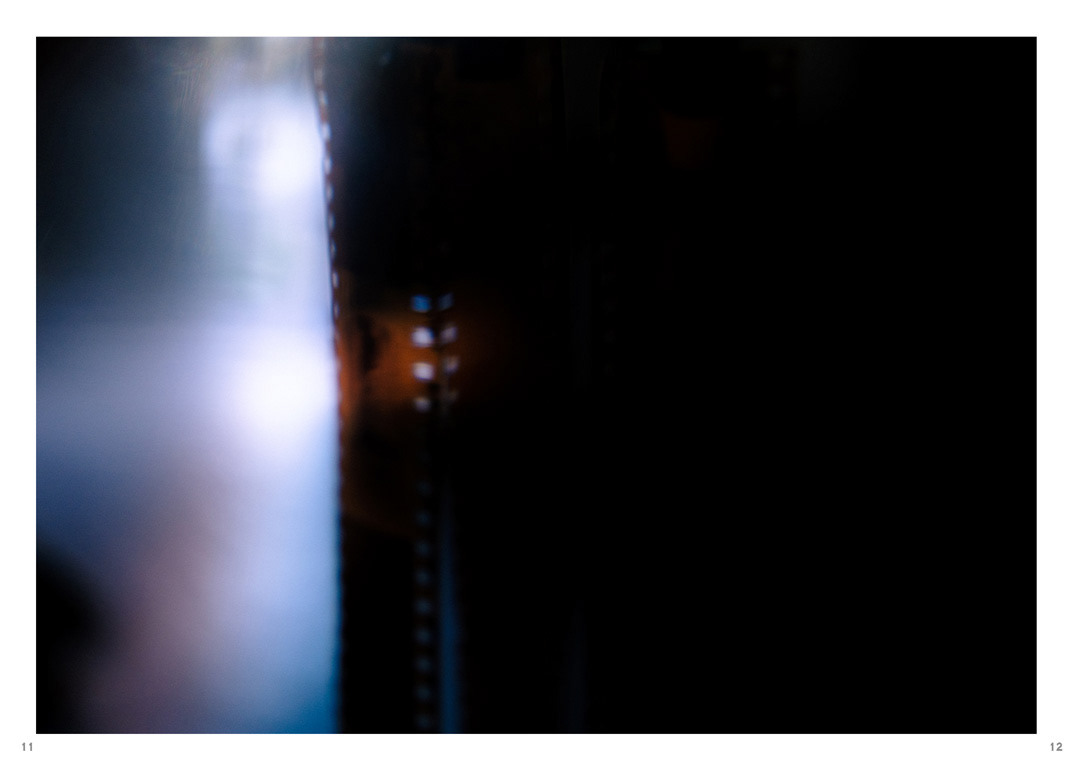
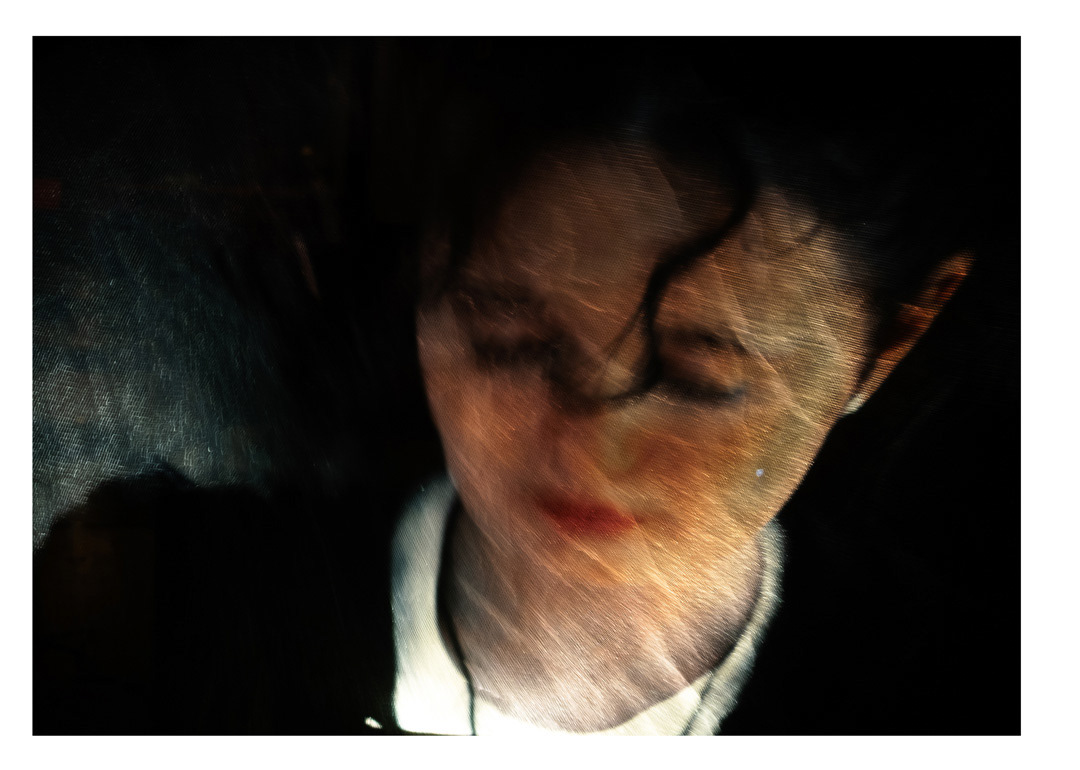
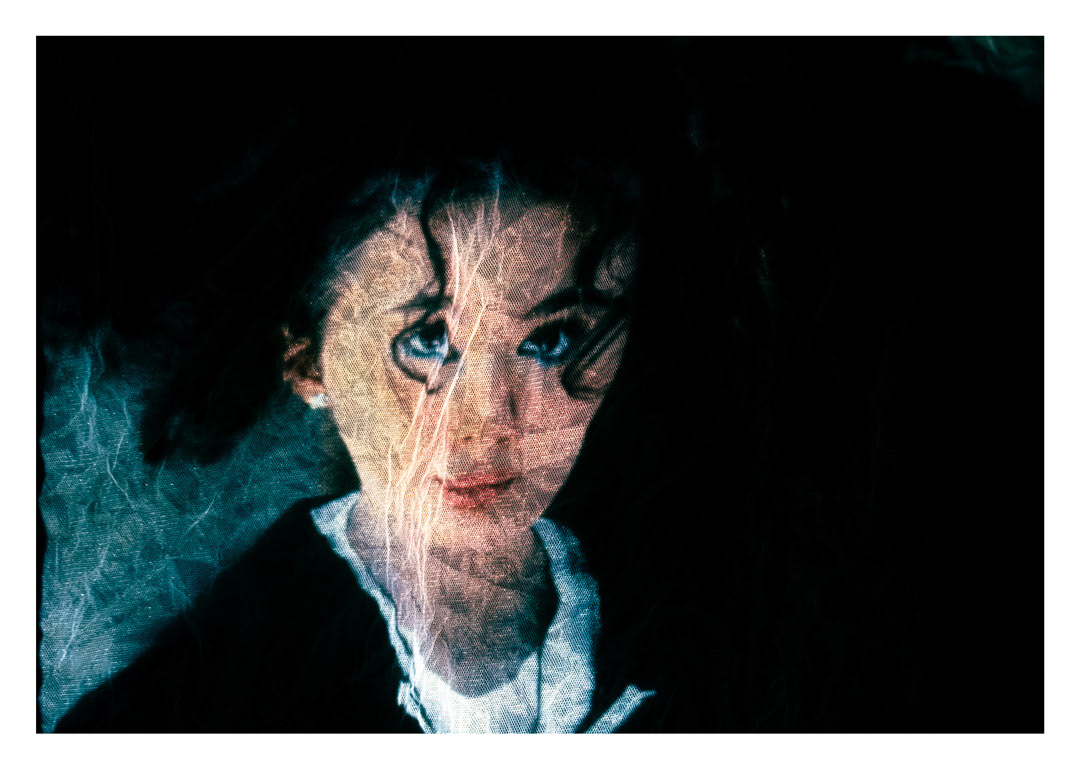
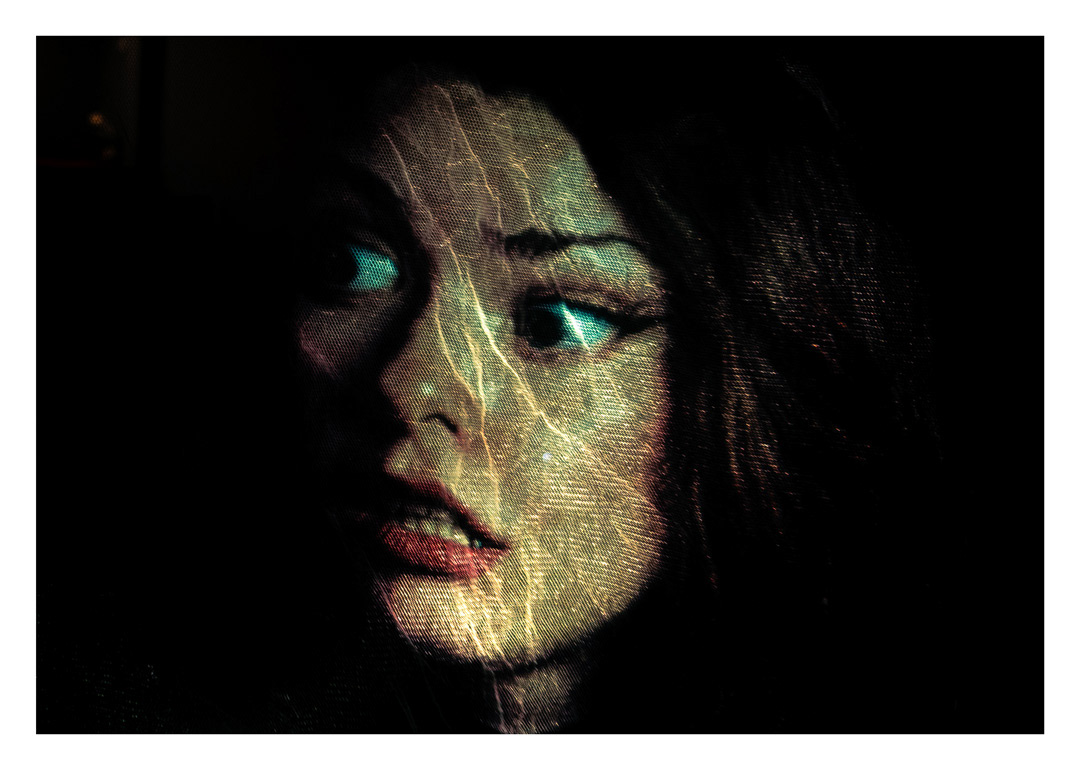
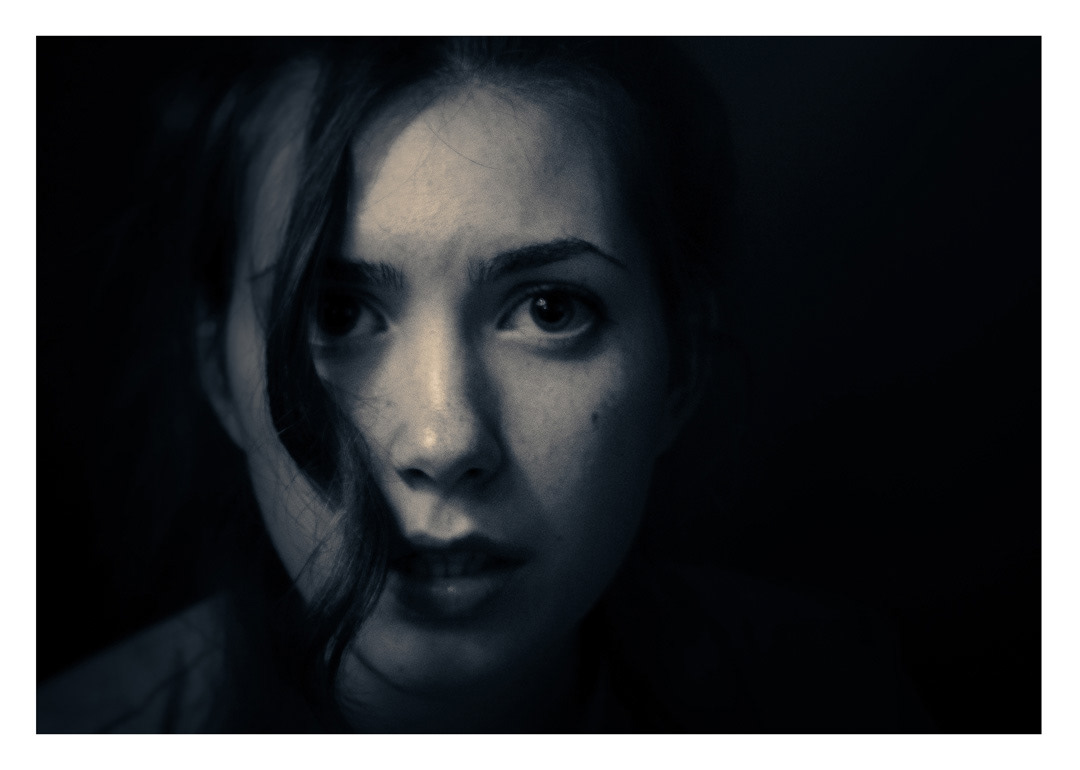
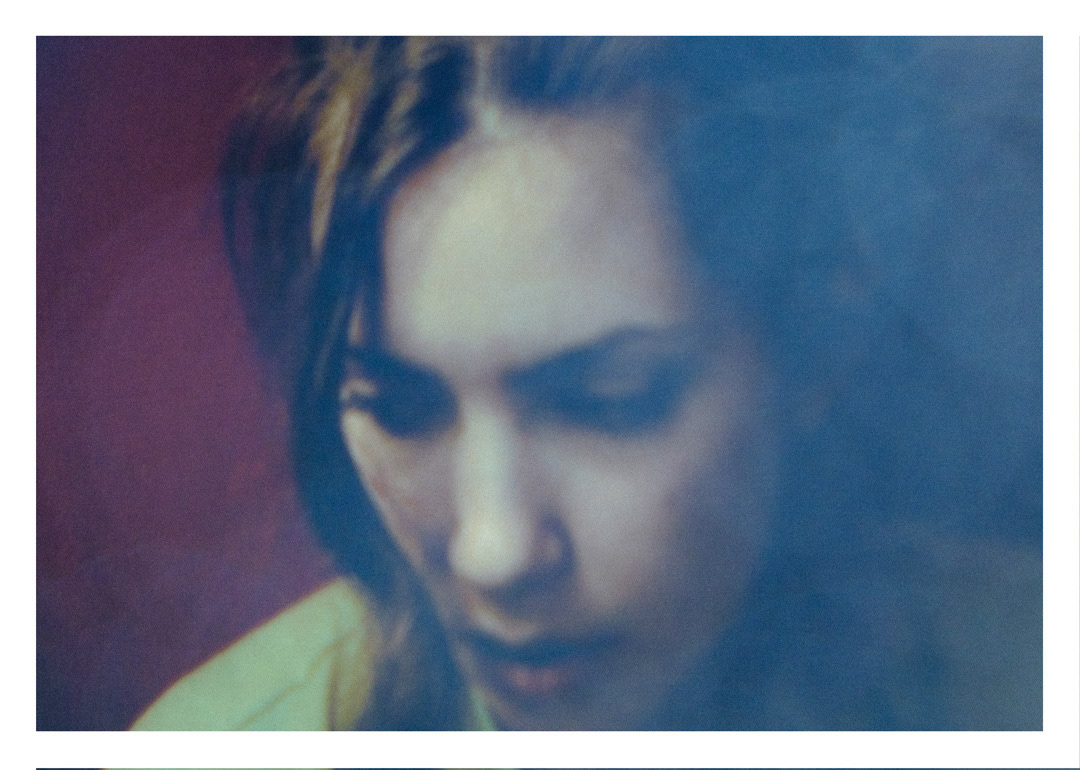
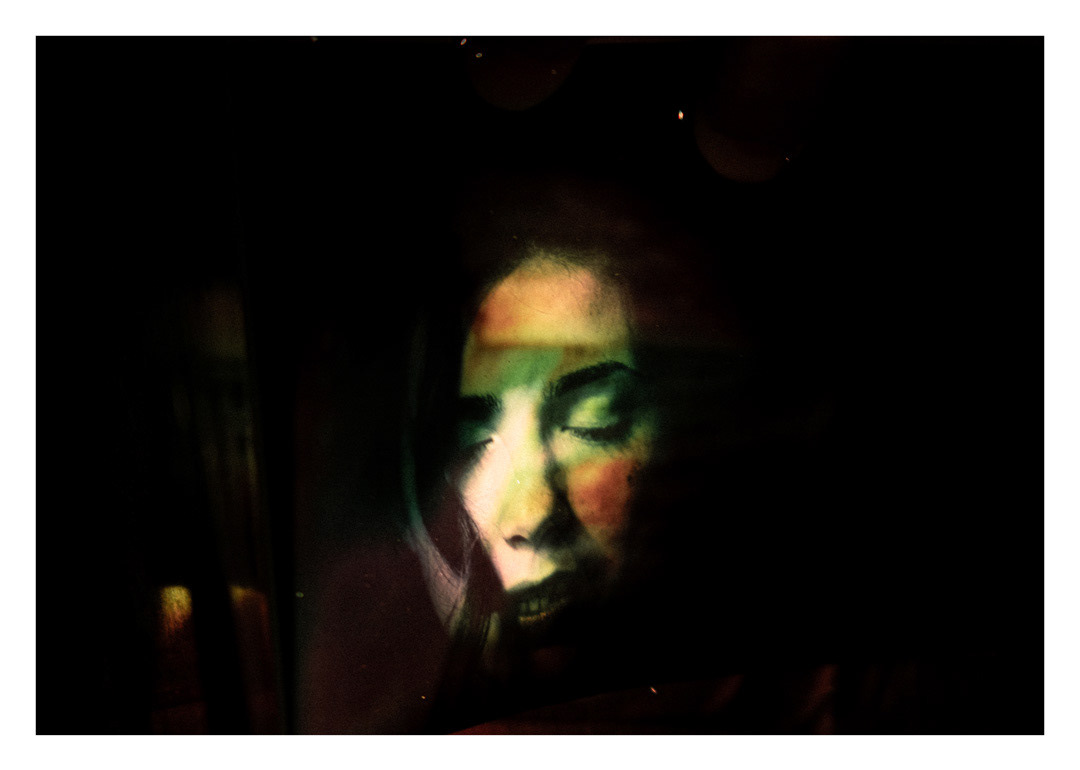
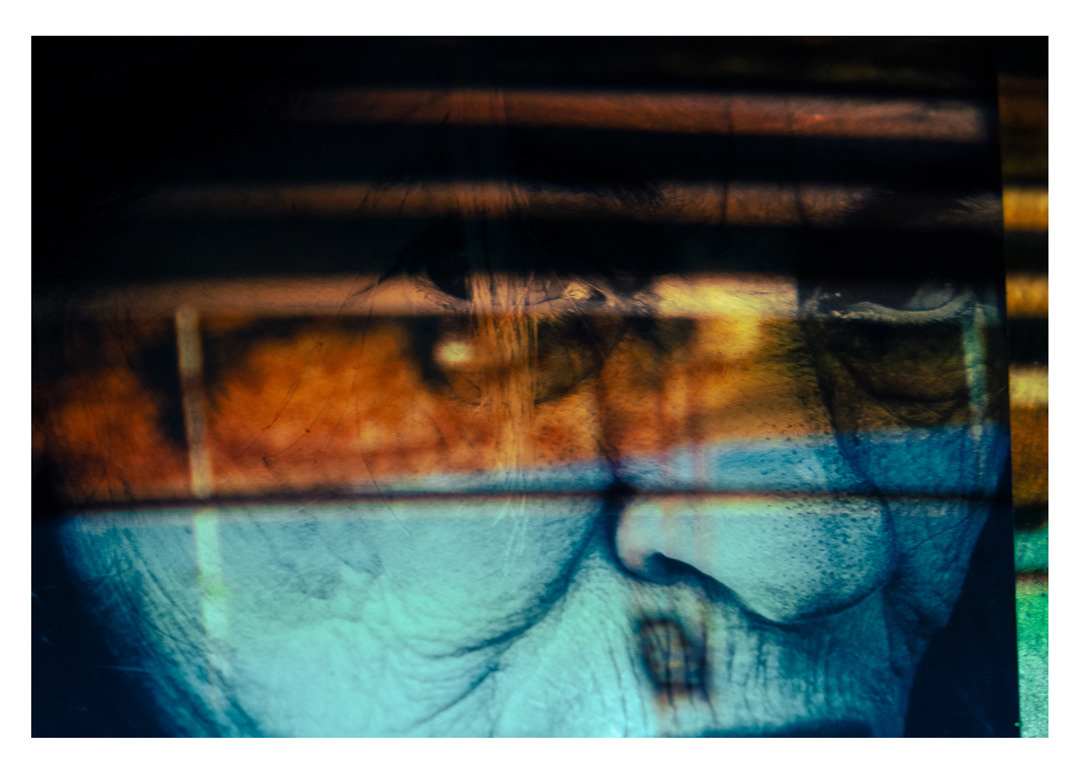
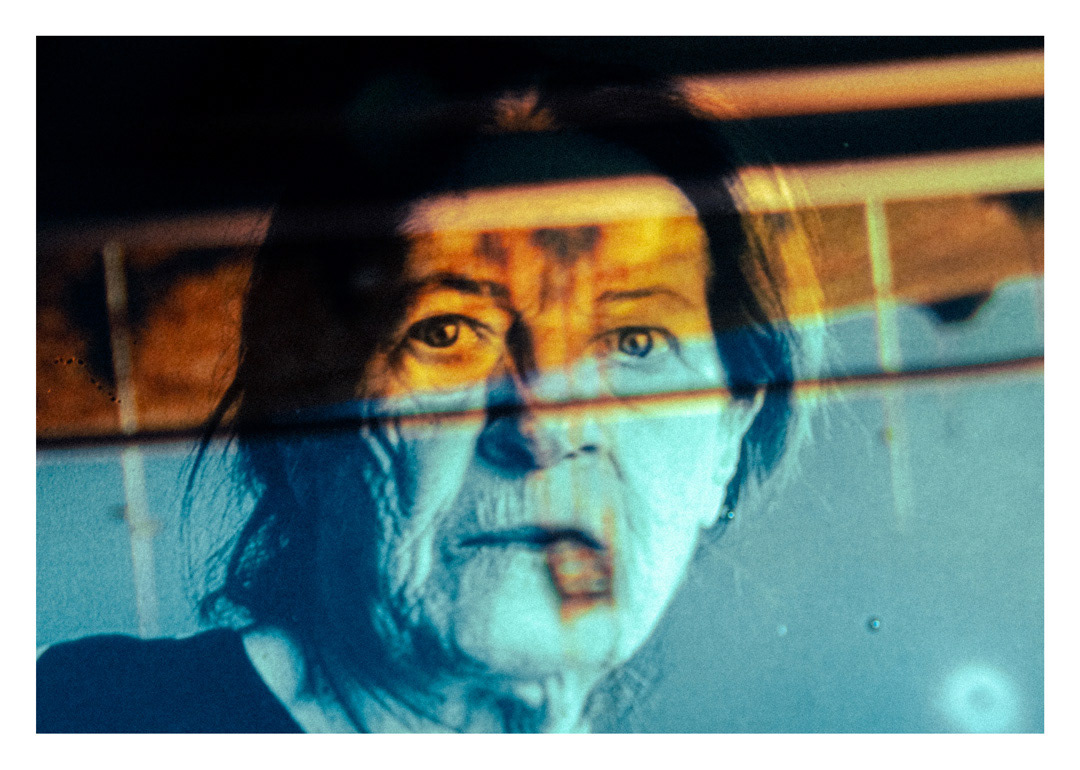
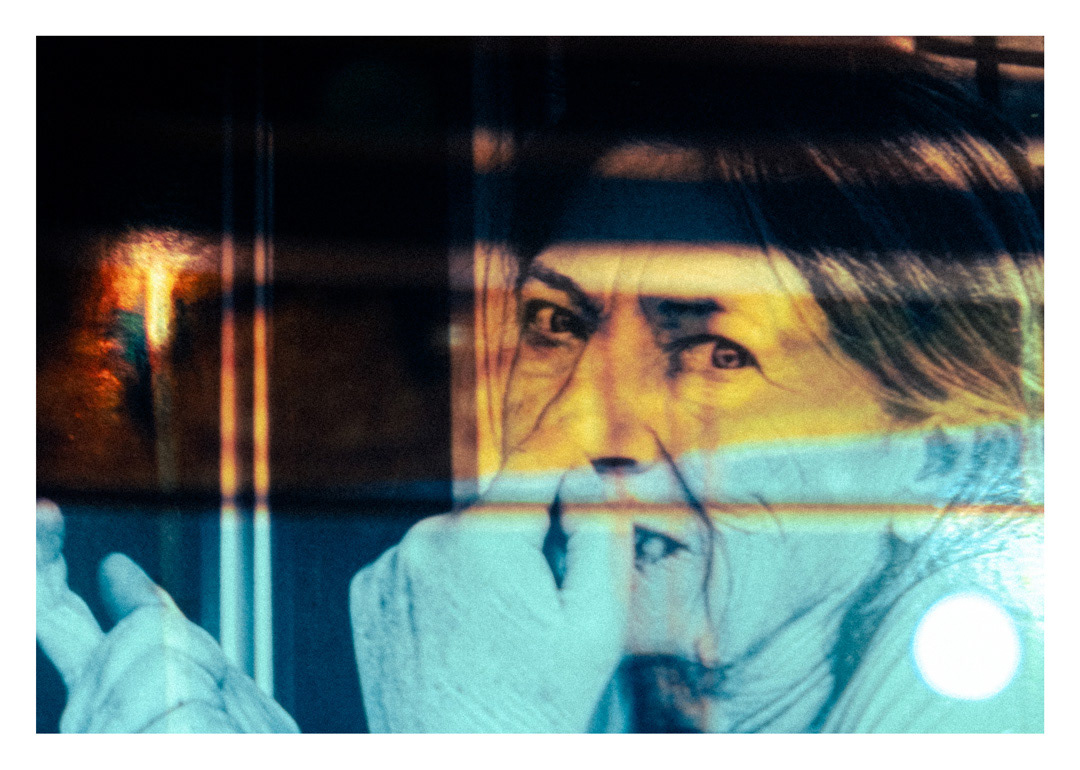
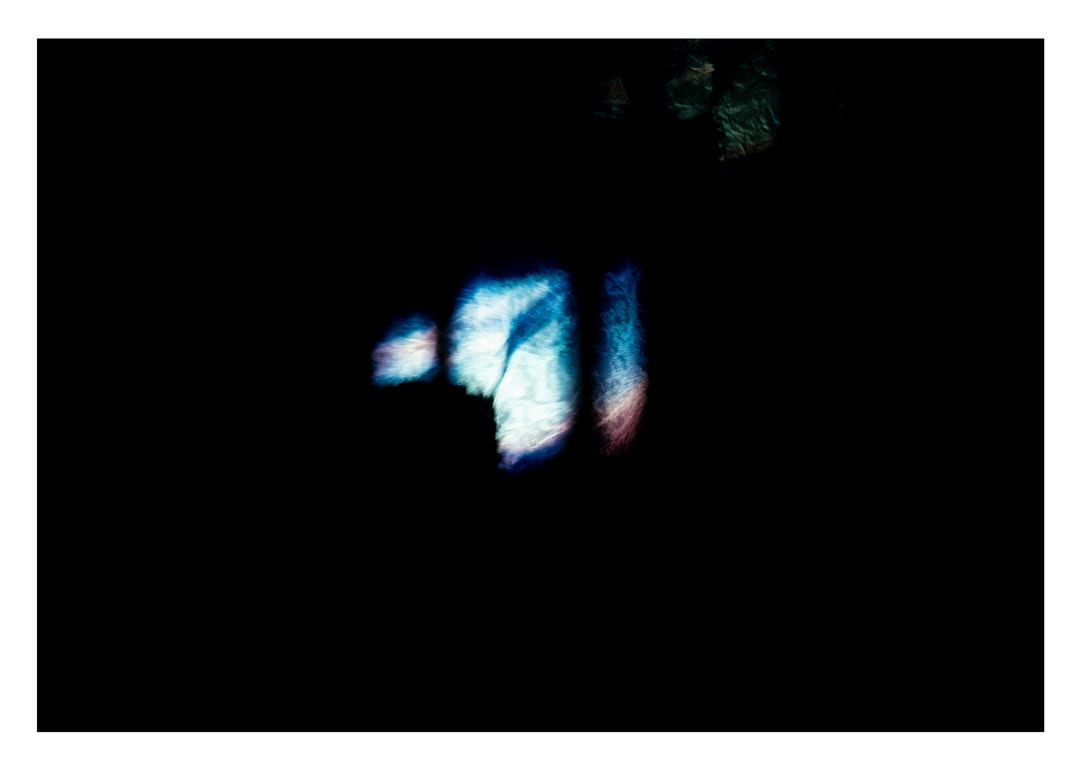
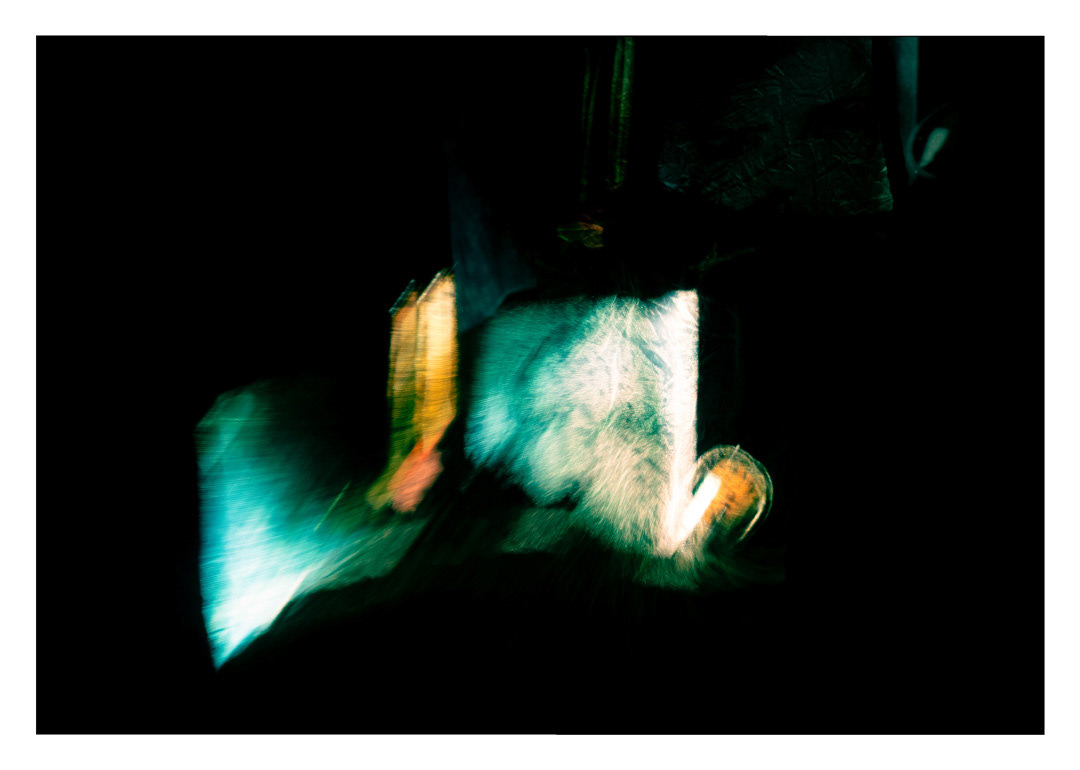
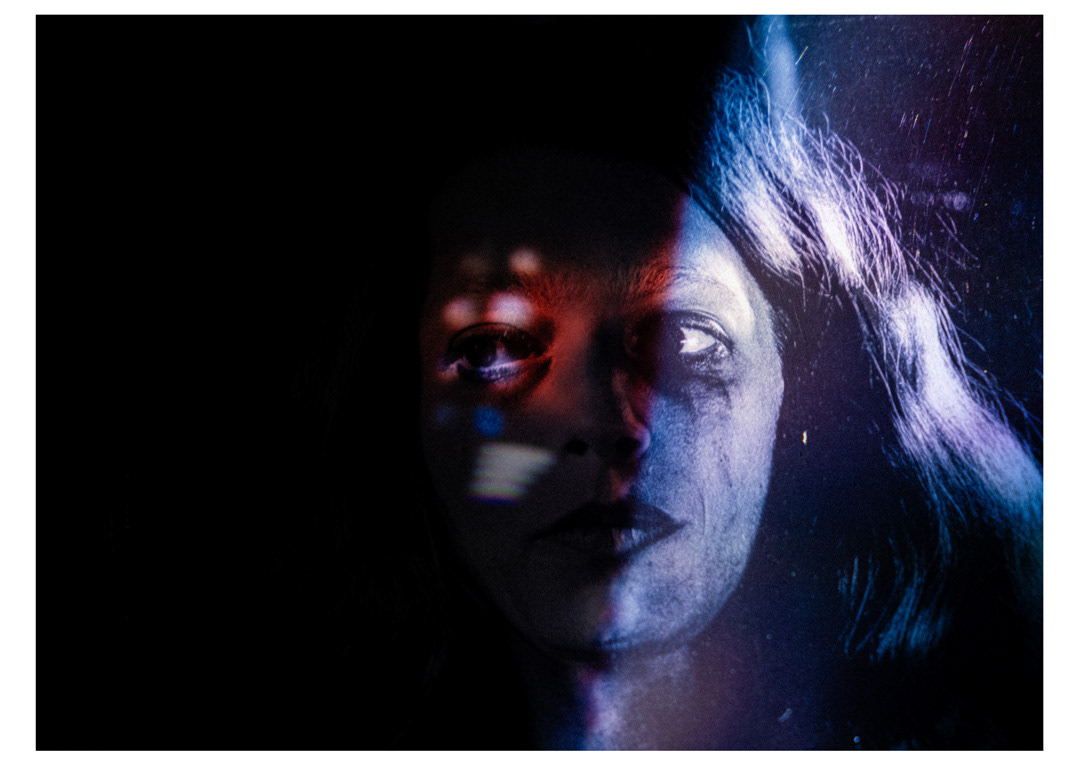
To mirror the "incoherent logic" of the dream state, where images pulse, blur, and feel disjointed, I developed a multi-layered process by projecting original photographs onto unconventional surfaces like silk, gauze, and water, then re-photographed the results. By distorting the images through these physical materials, I was able to replicate the "zoetrope" effect of early sleep: those fleeting moments where movement is fragmented and reality feels ephemeral.
Ultimately, these images invite you to look past the surface of the photograph and into the blurred, shifting spaces of your own memory.
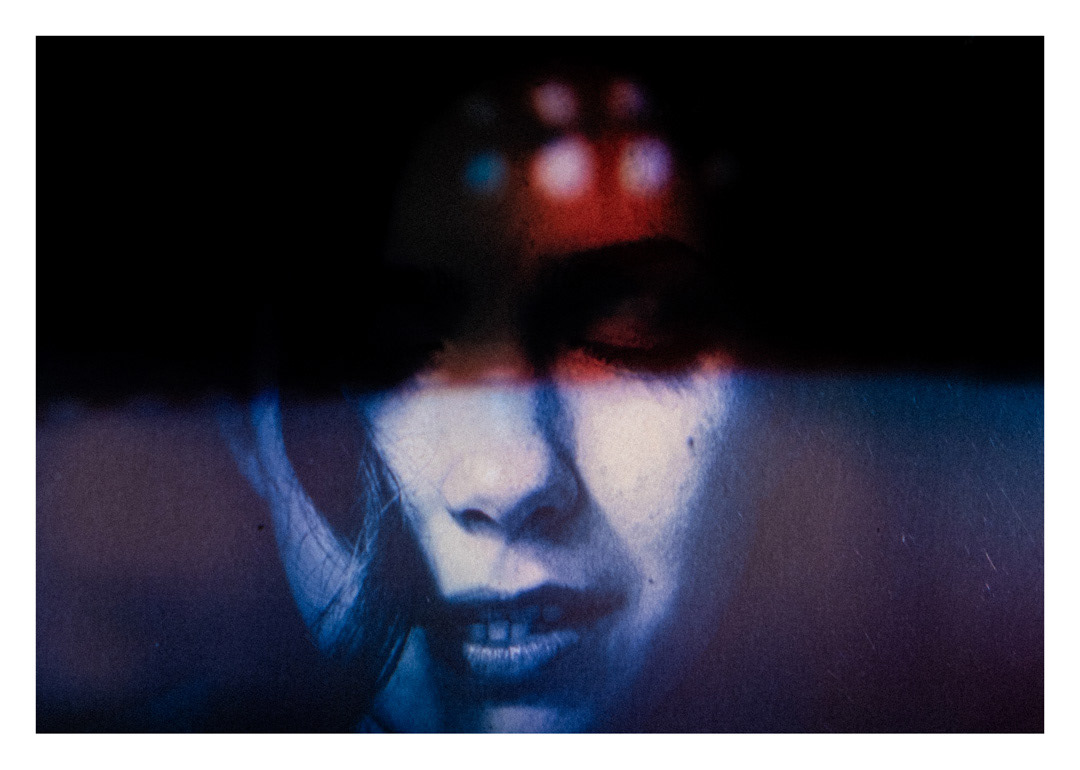
1.
IGNITION
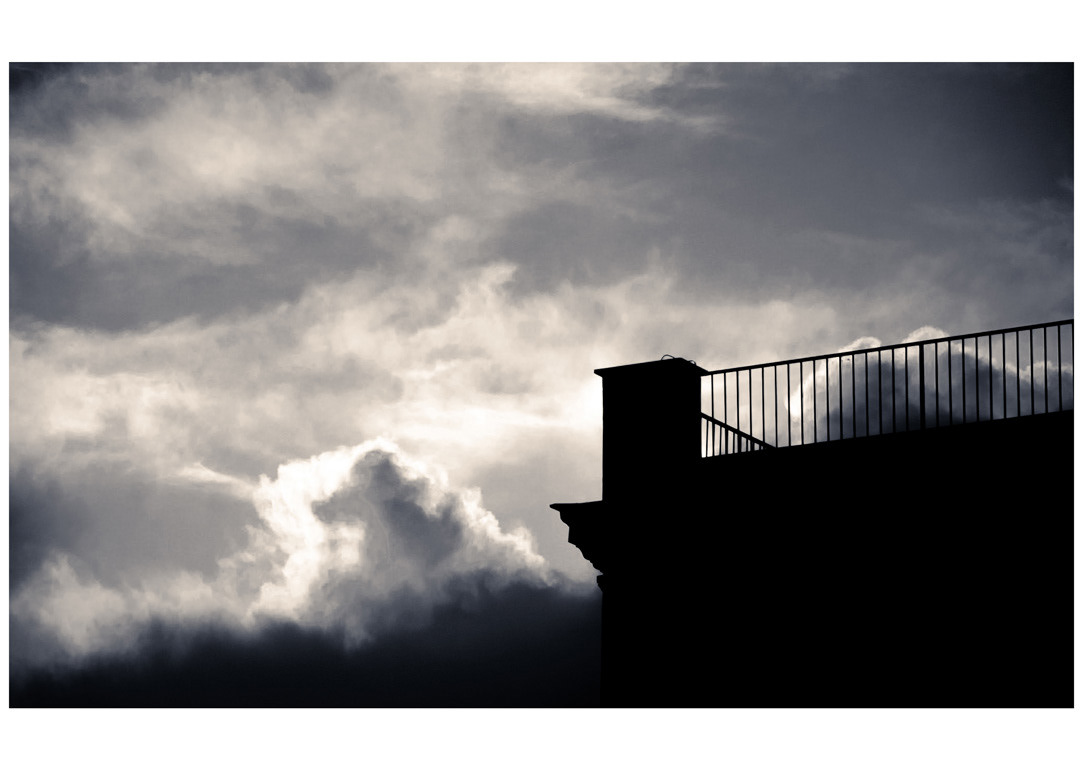
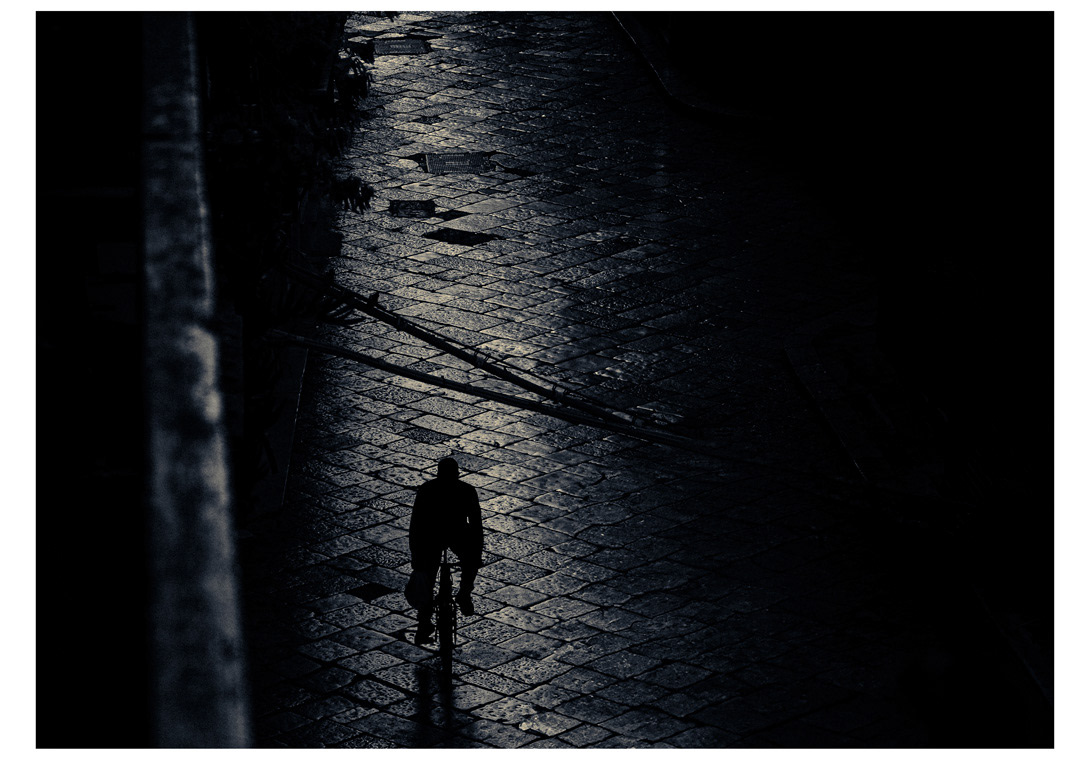
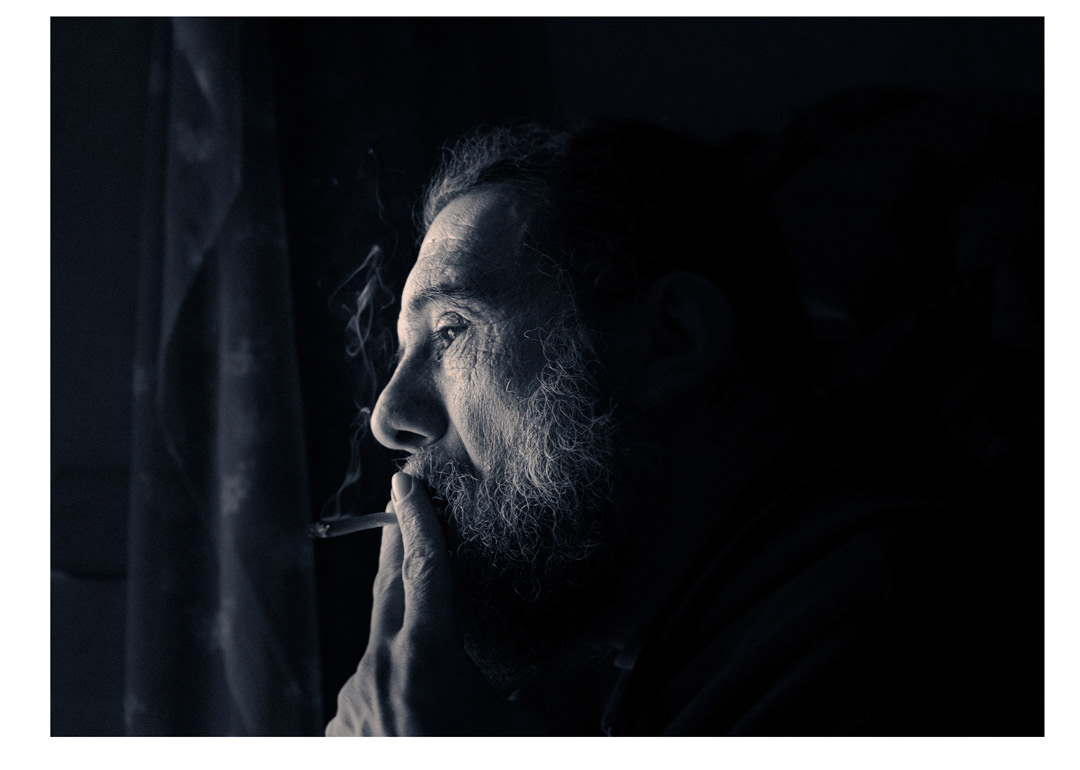
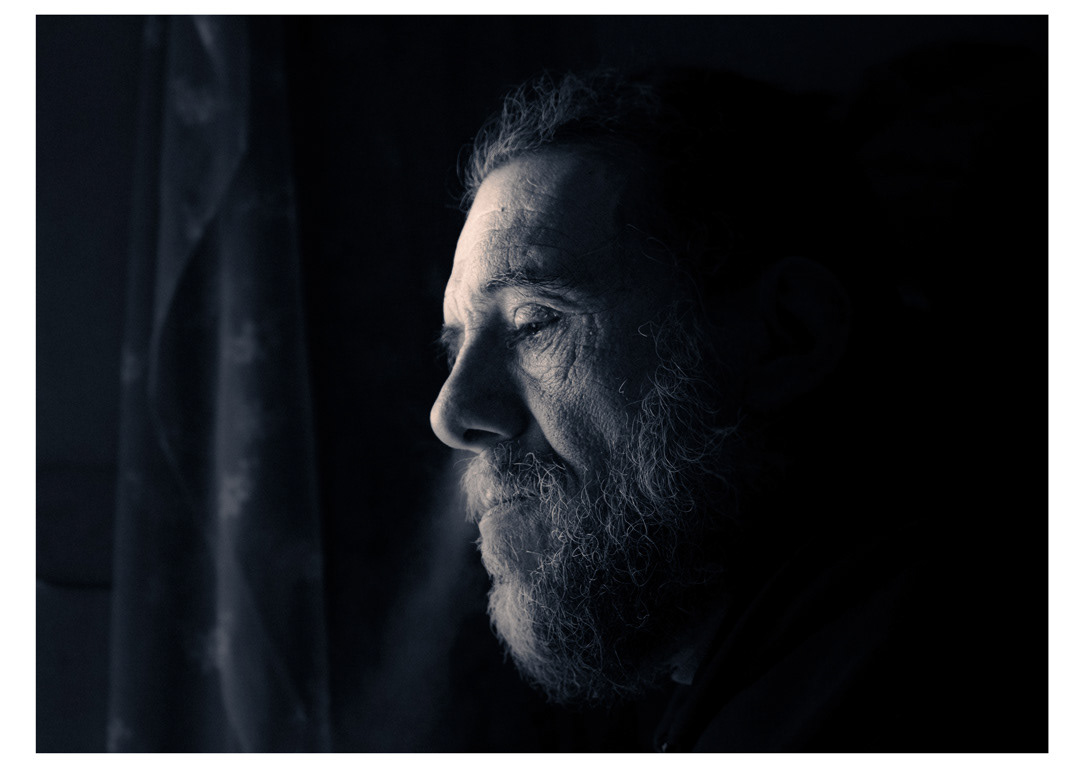
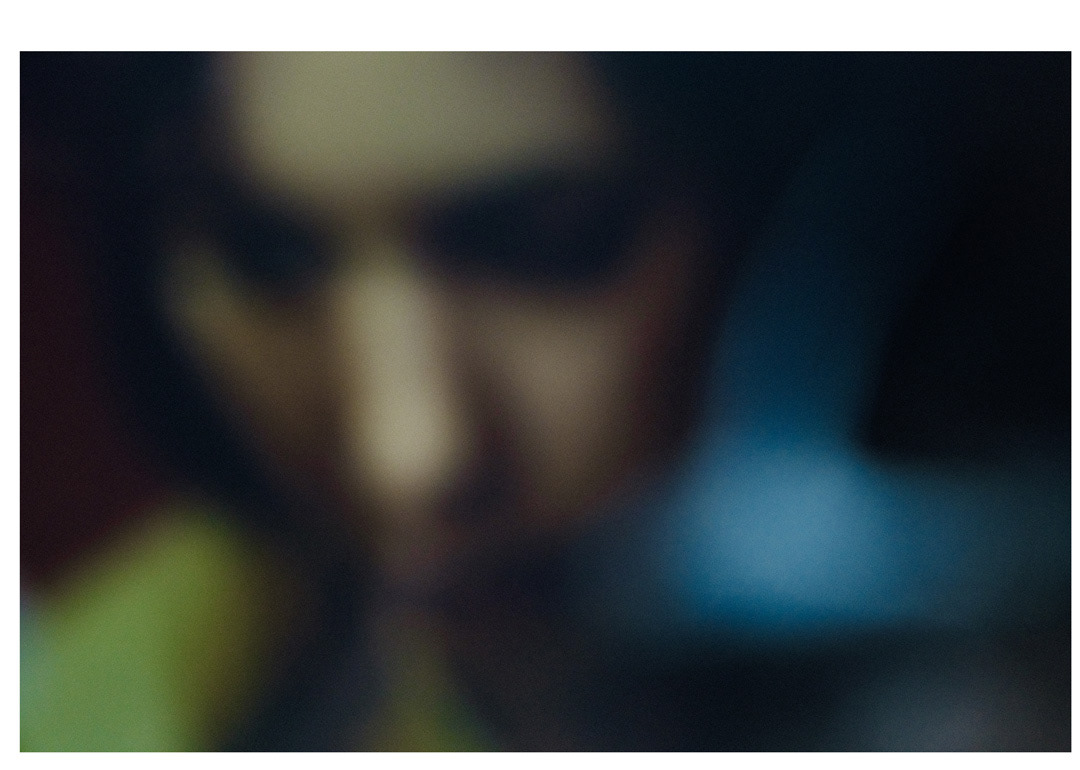
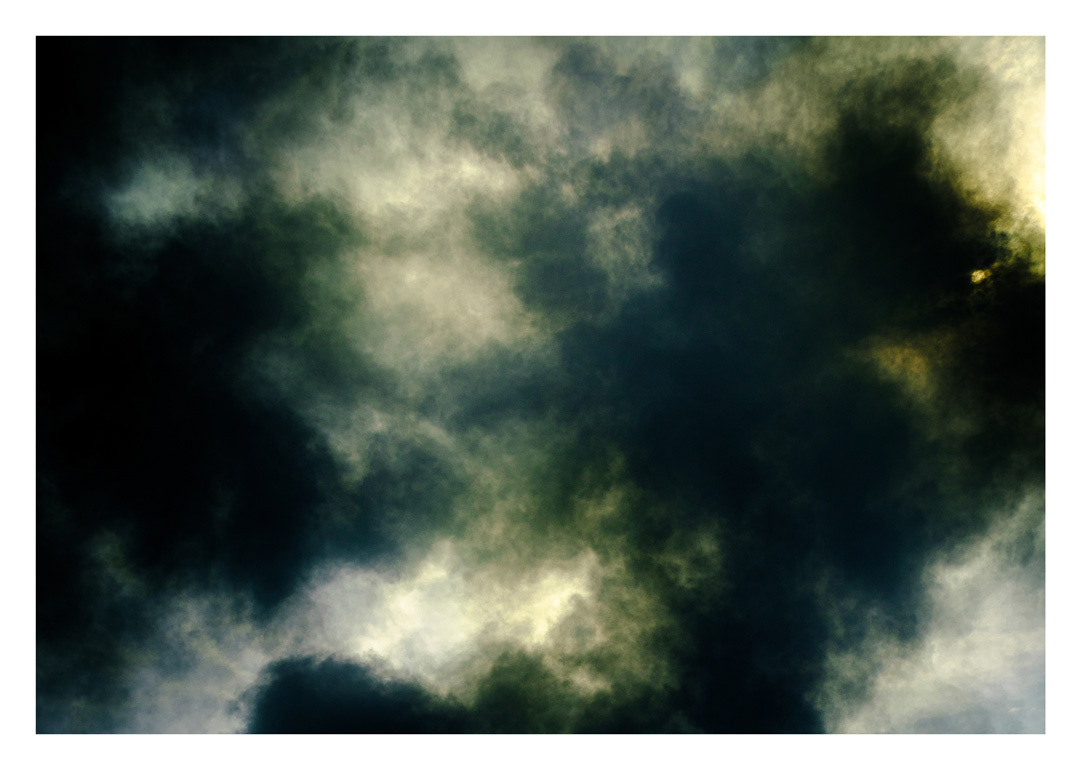
"It starts with a sense of something approaching
— not of a thing, but of a feeling. "
2.
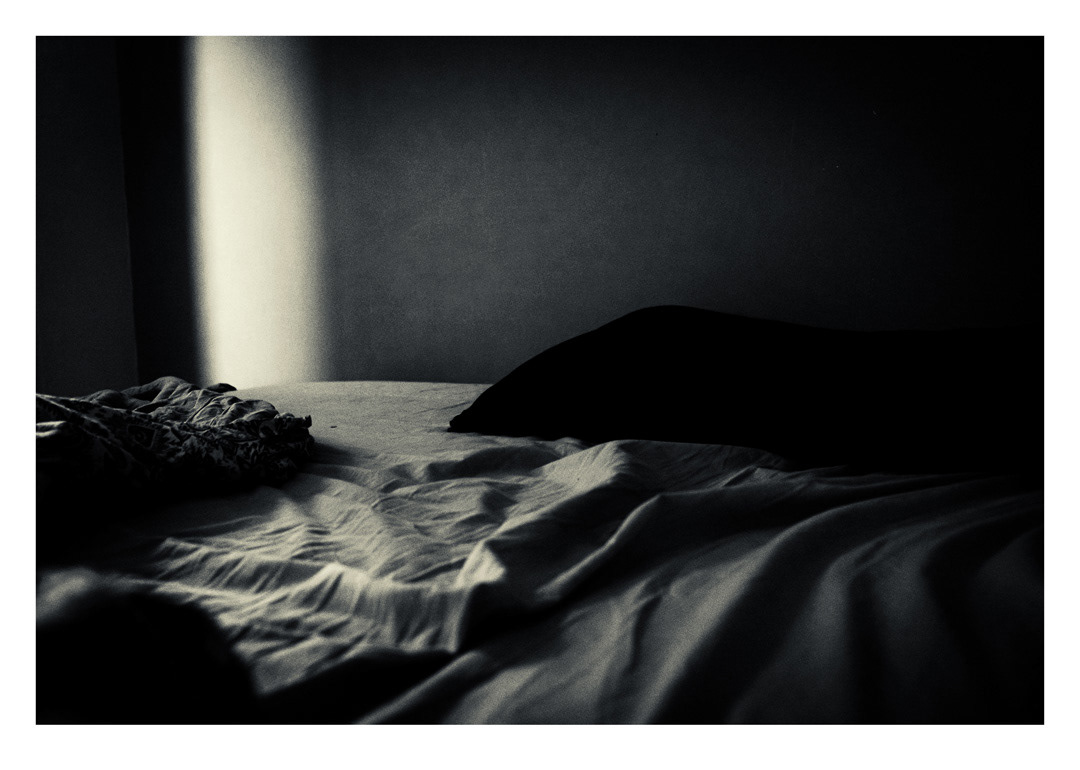
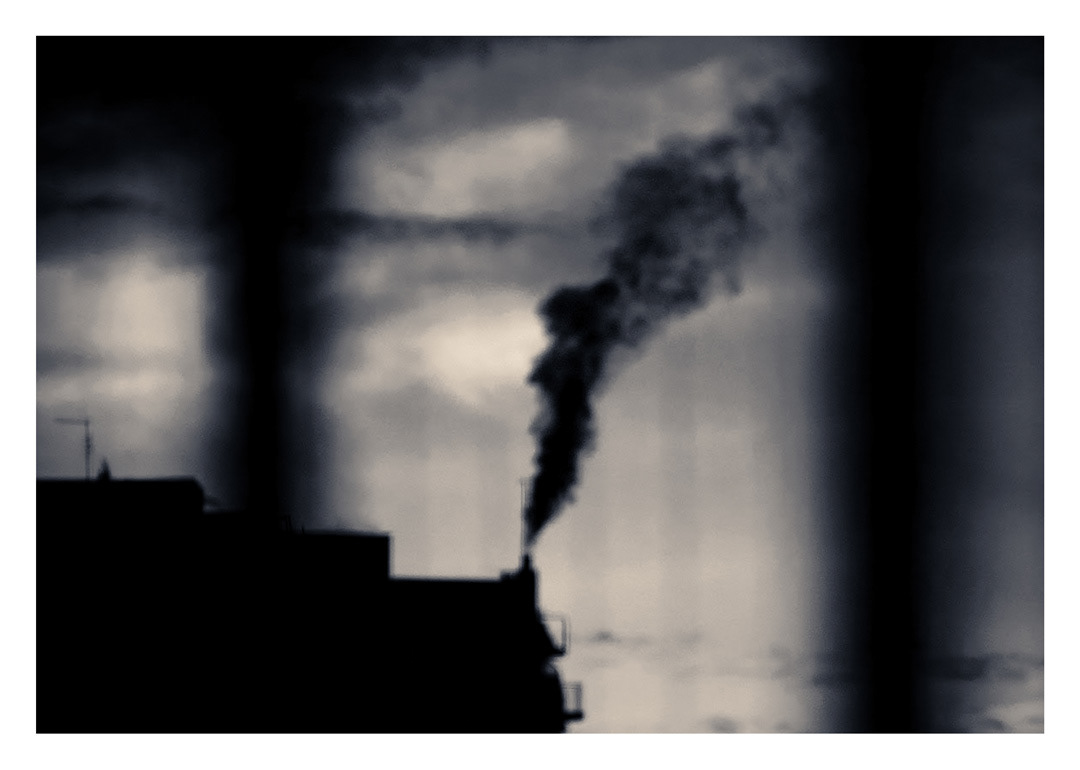
THRESHOLD
Early Night: 5 to 10 minutes. (Often fragmented or “thought-like.")
Extremely Frequent. These are the "micro-dreams" we have every time we close our eyes for a moment.
The Quality is fragmented and fleeting. A "zoetrope" of moments.
These are the most frequent dreams but perhaps the least "significant." They are the noise of the brain settling into the dark.
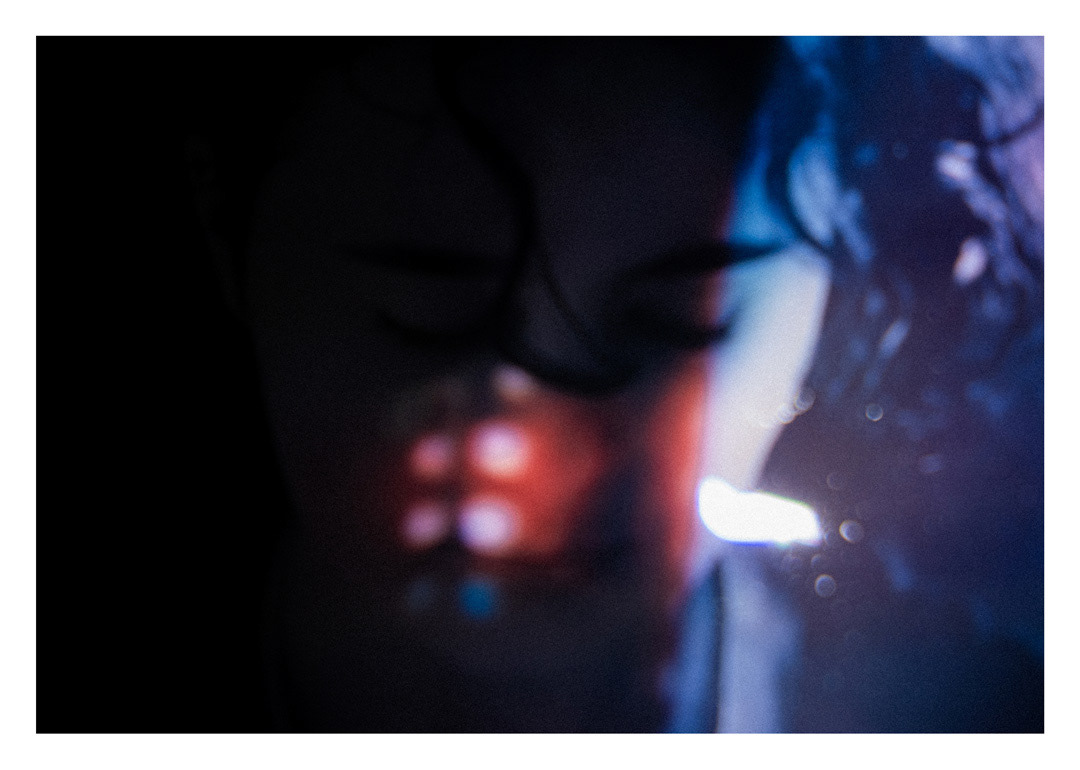
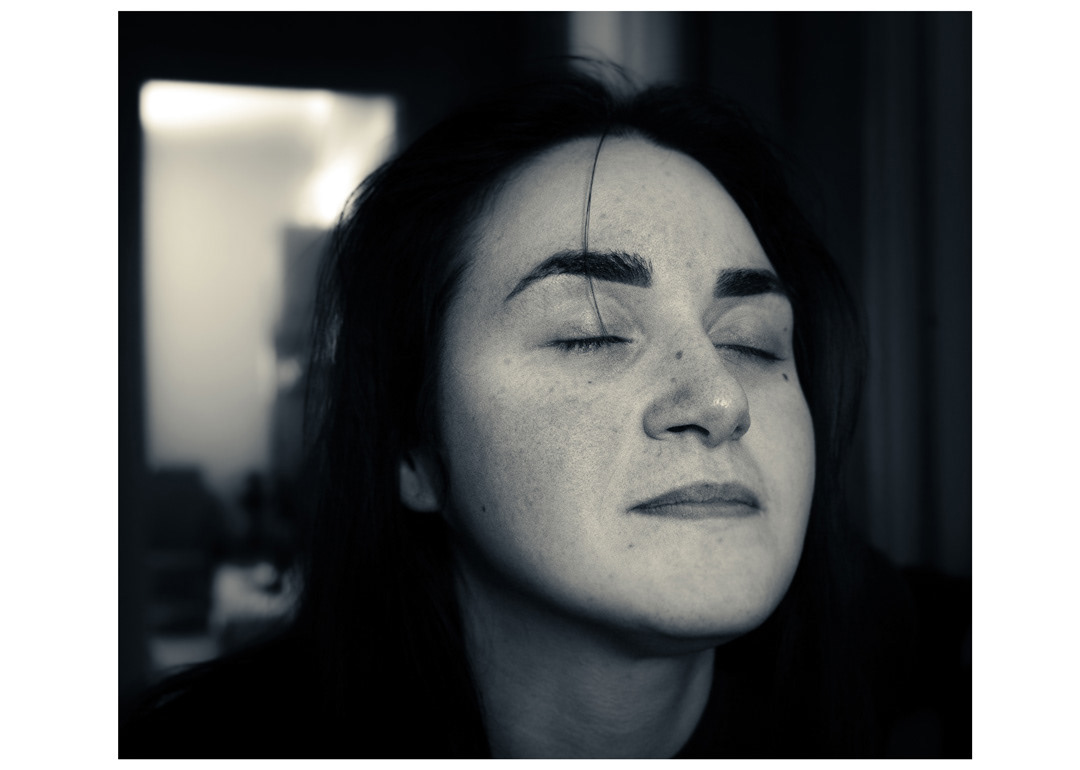
“The dream was a physical weight. I wasn't just travelling; I was feeling movement being pushed into my chest. Colours didn't just exist on surfaces; they pulsed."
3.
LOW THETA
Transition to Slow Wave. / Deep REM.
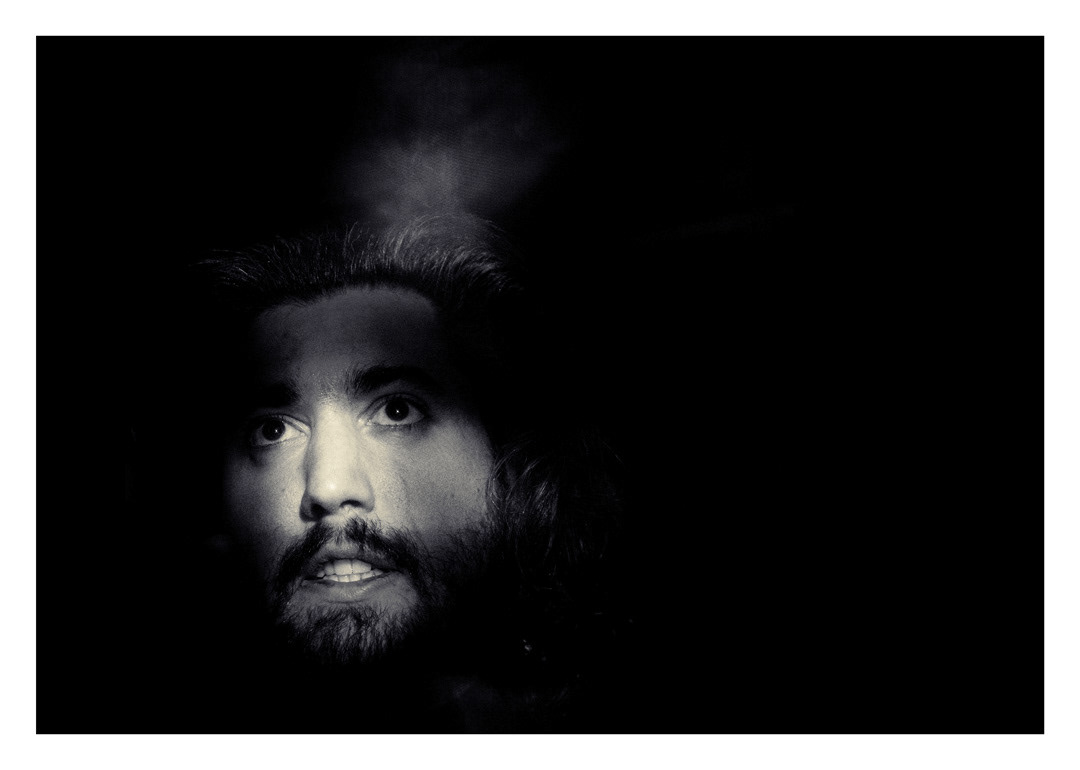
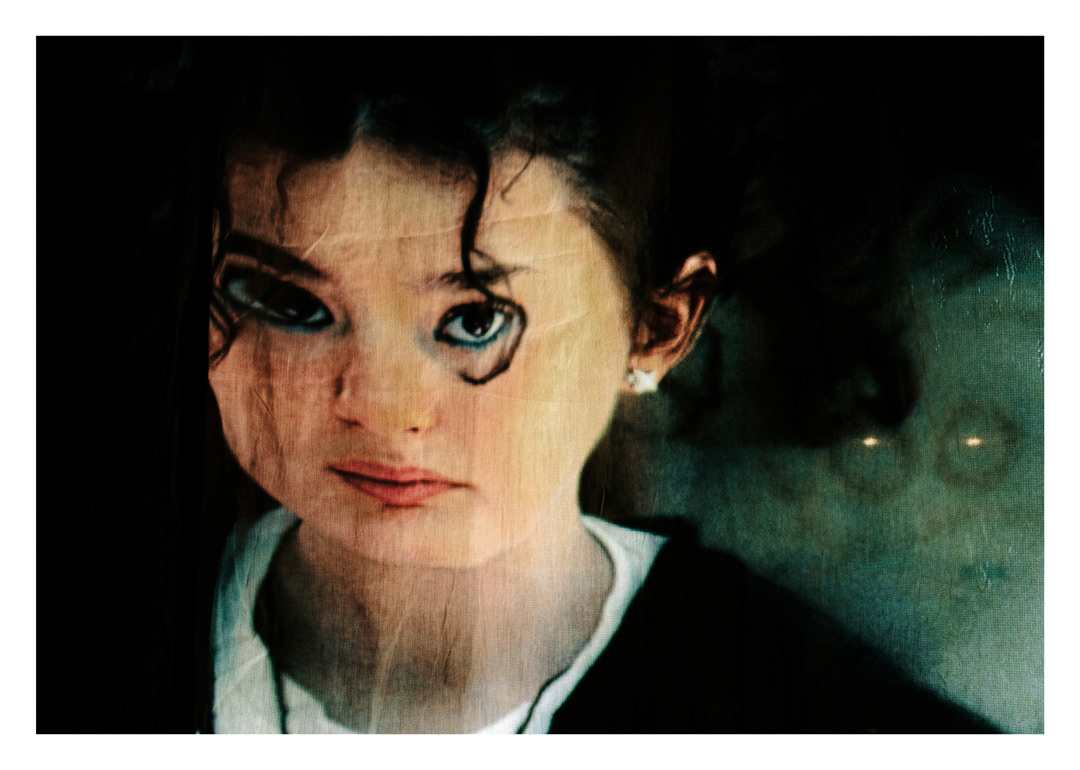
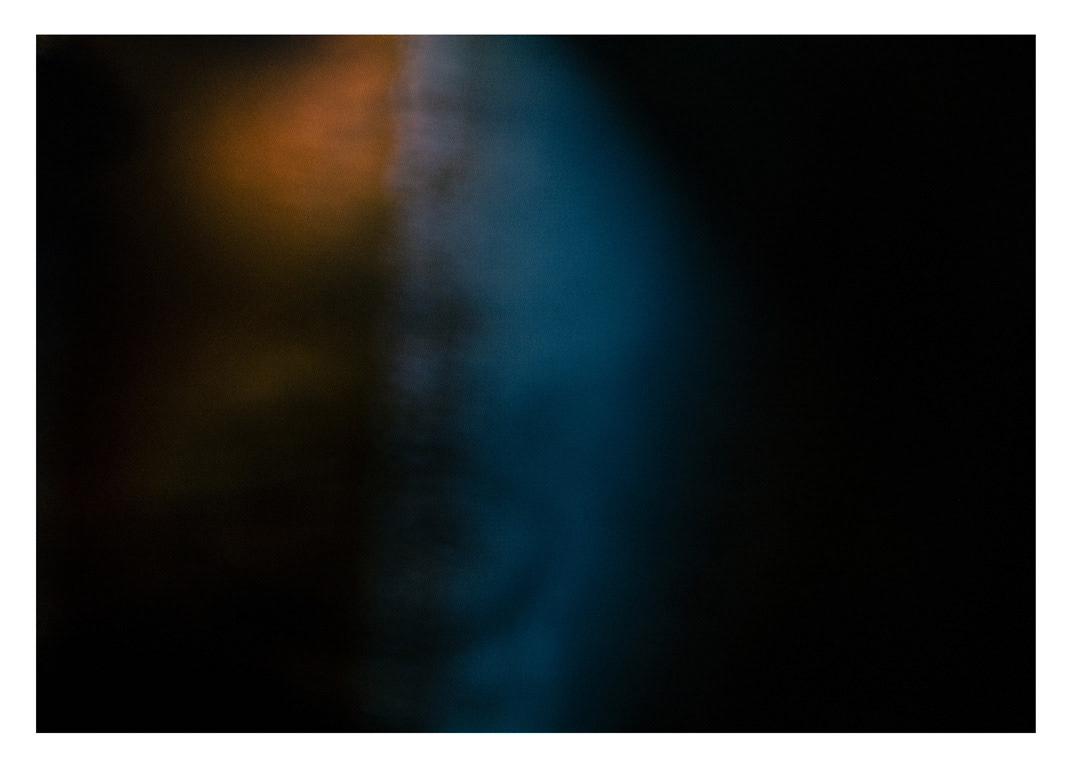
Characterised by feelings of emotional "gravity," physical weight, and a “feeling of slow-motion".
We have these dreams less frequently, but they leave the strongest "affective residue”, like a perfume that stays in your clothes all day.
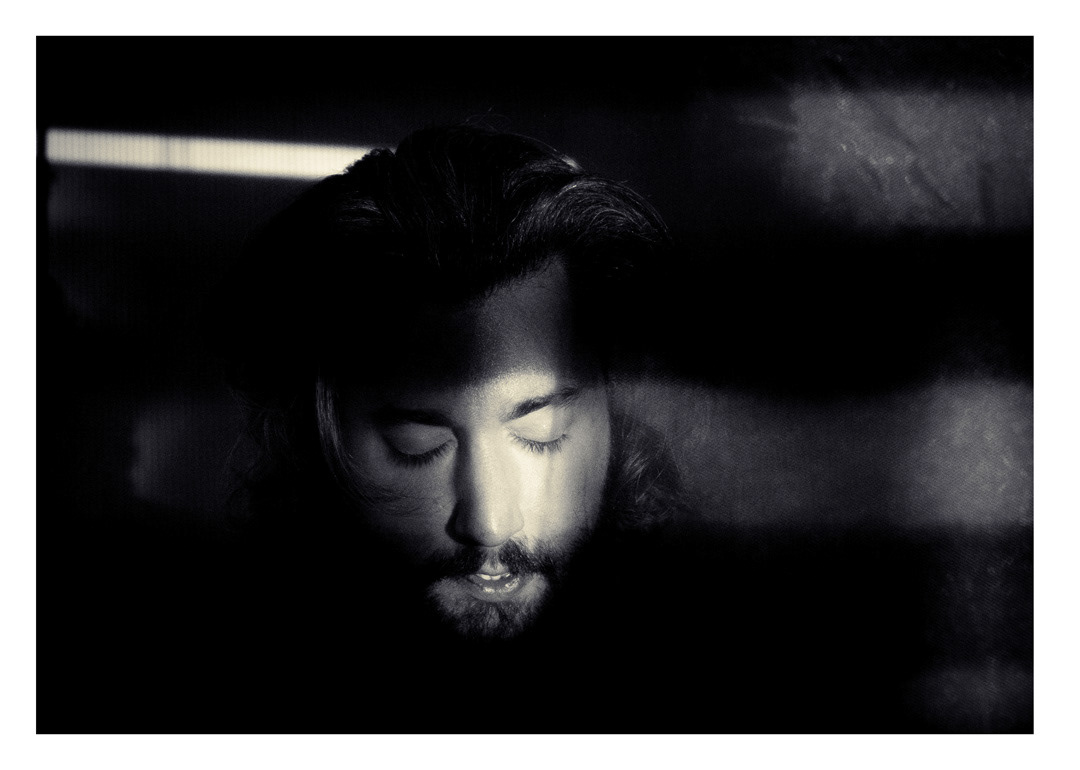
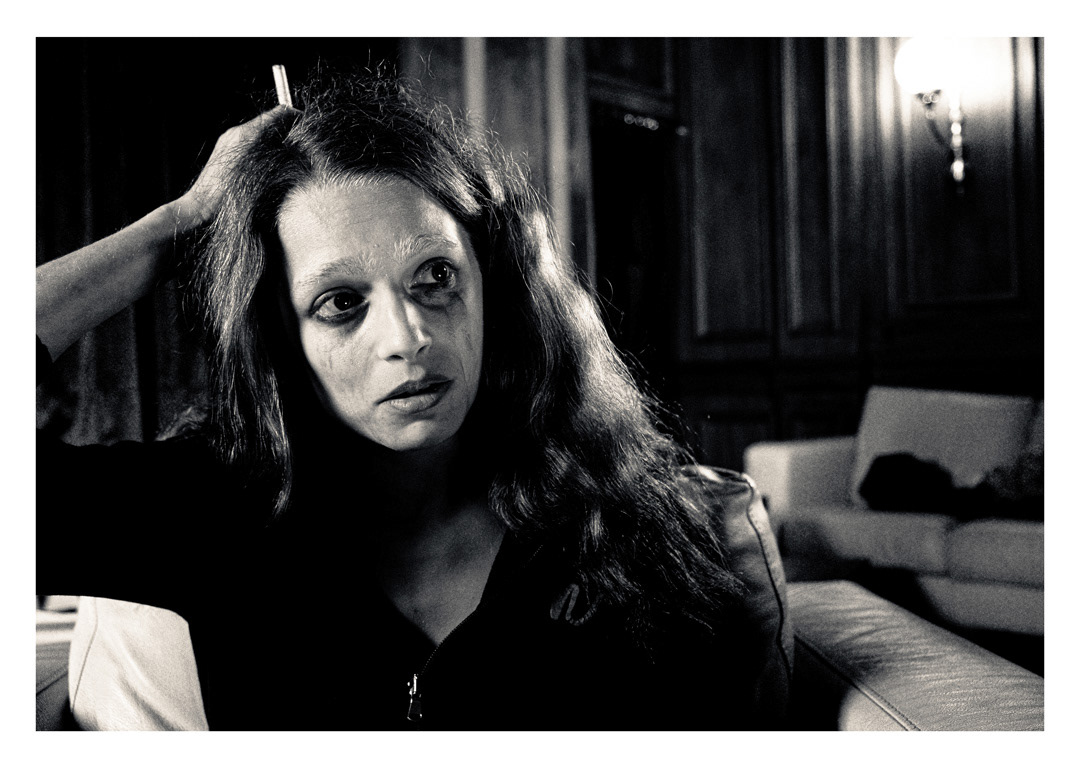
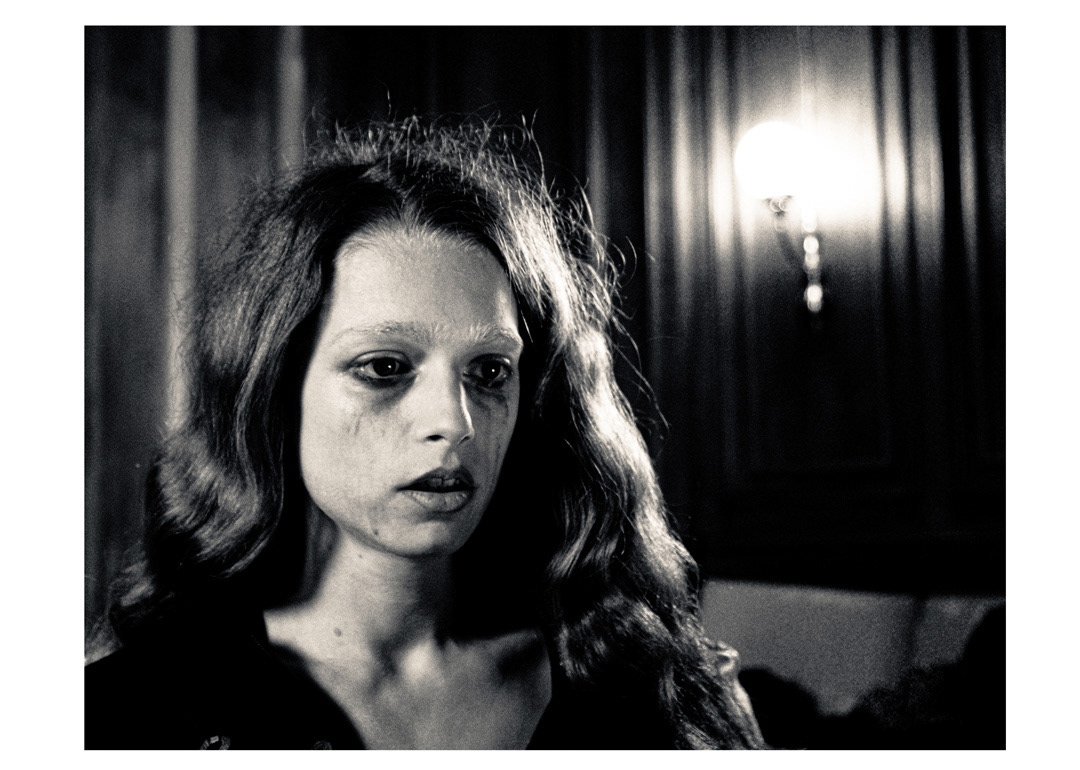
“She stood in the corner of the room, silent, perfectly still, like a photograph. I couldn't look away from her eyes. We were talking in a language that didn't use words. It was as if our thoughts were bleeding into each other. I knew what she wanted to say before she even spoke.”
4.
SAWTOOTH
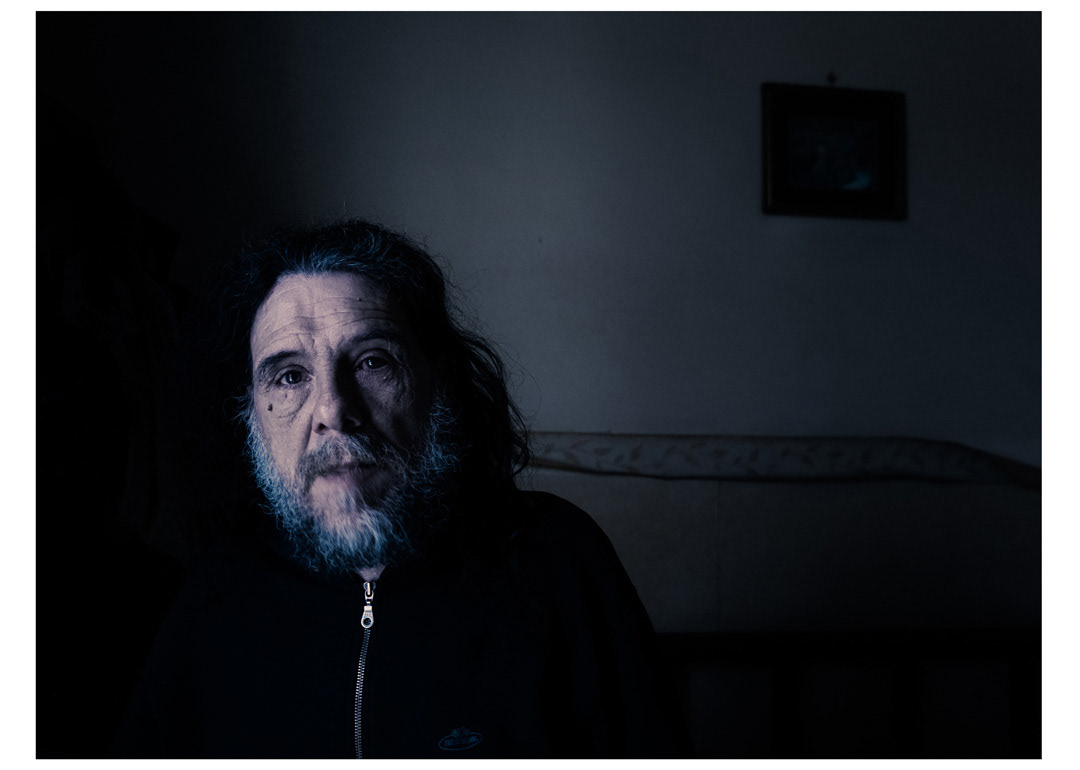
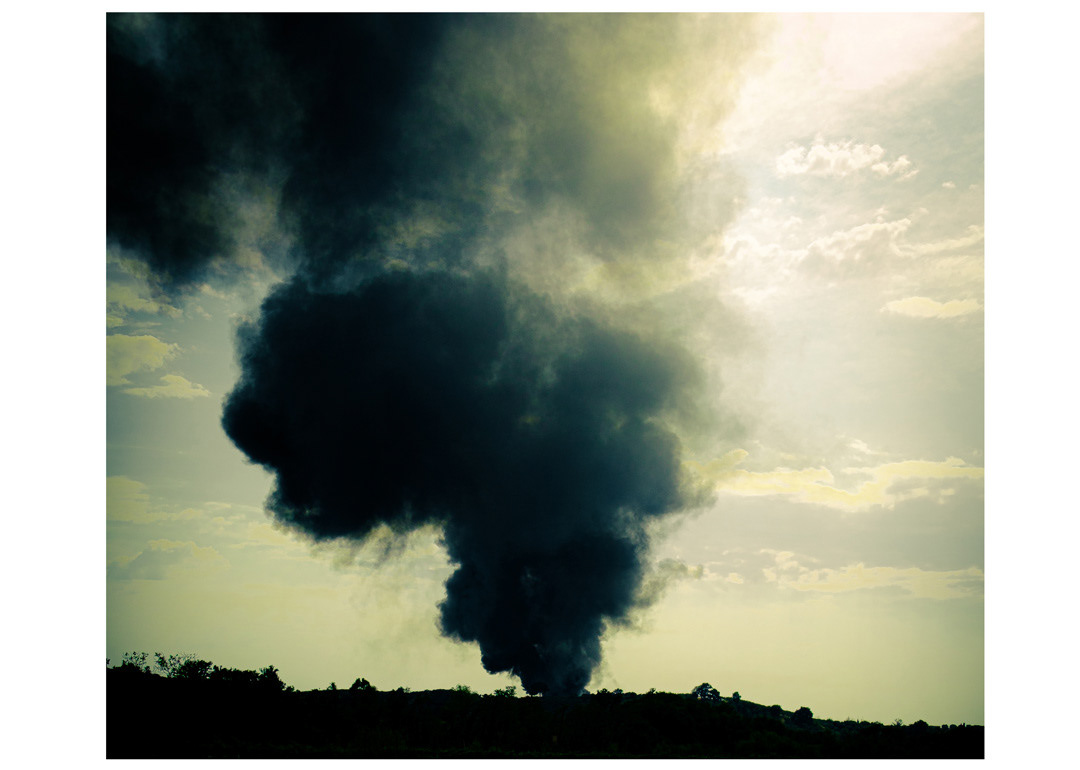
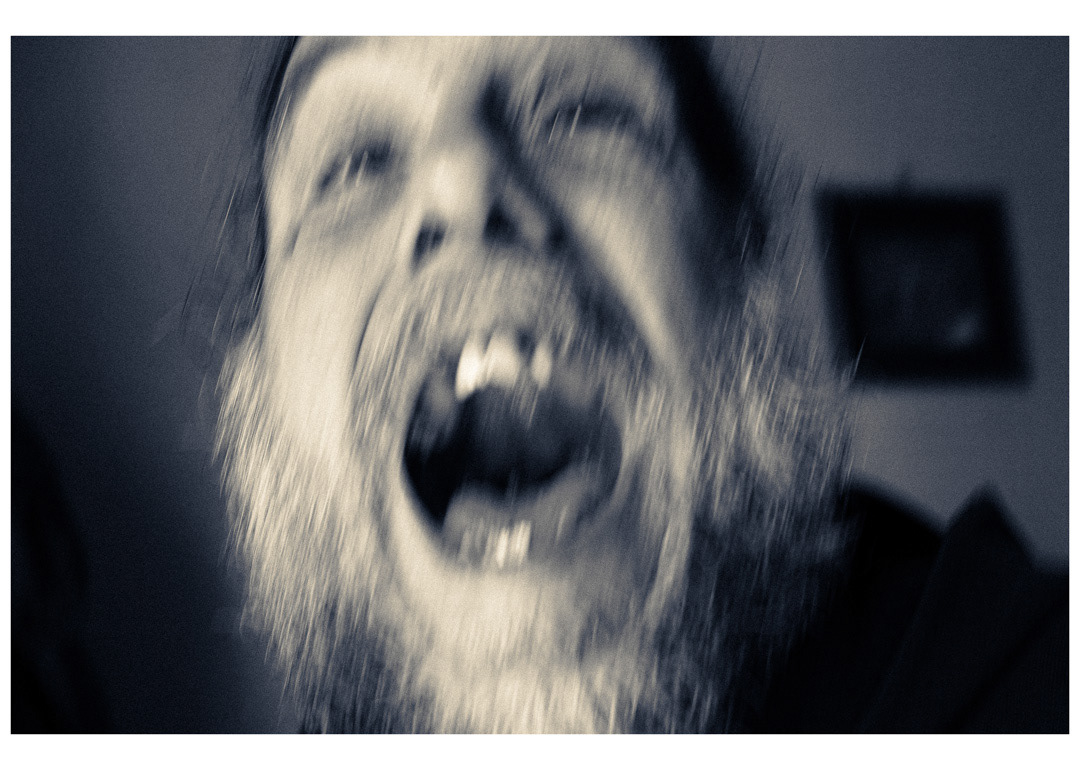
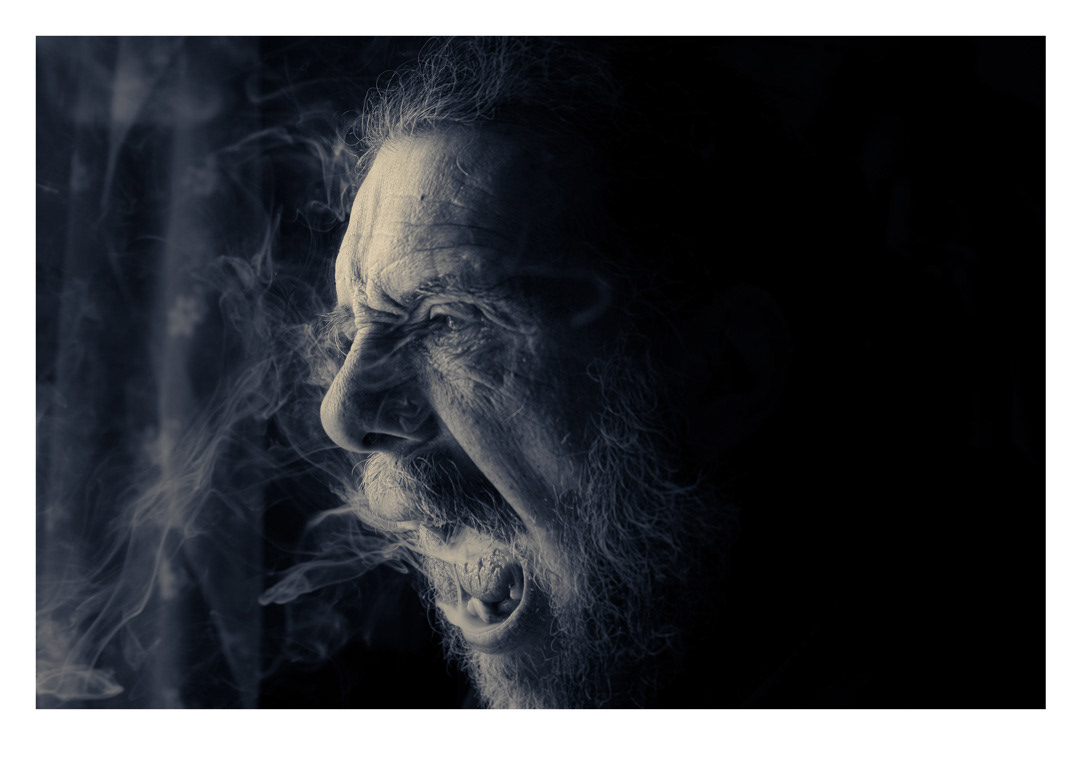
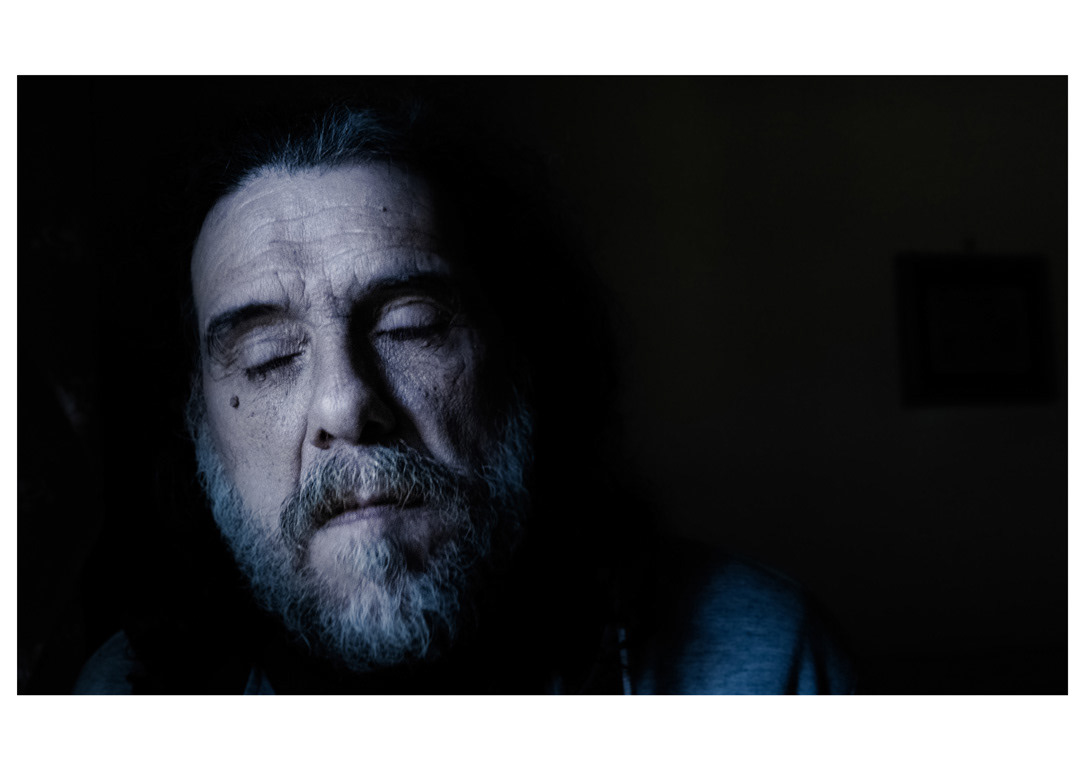
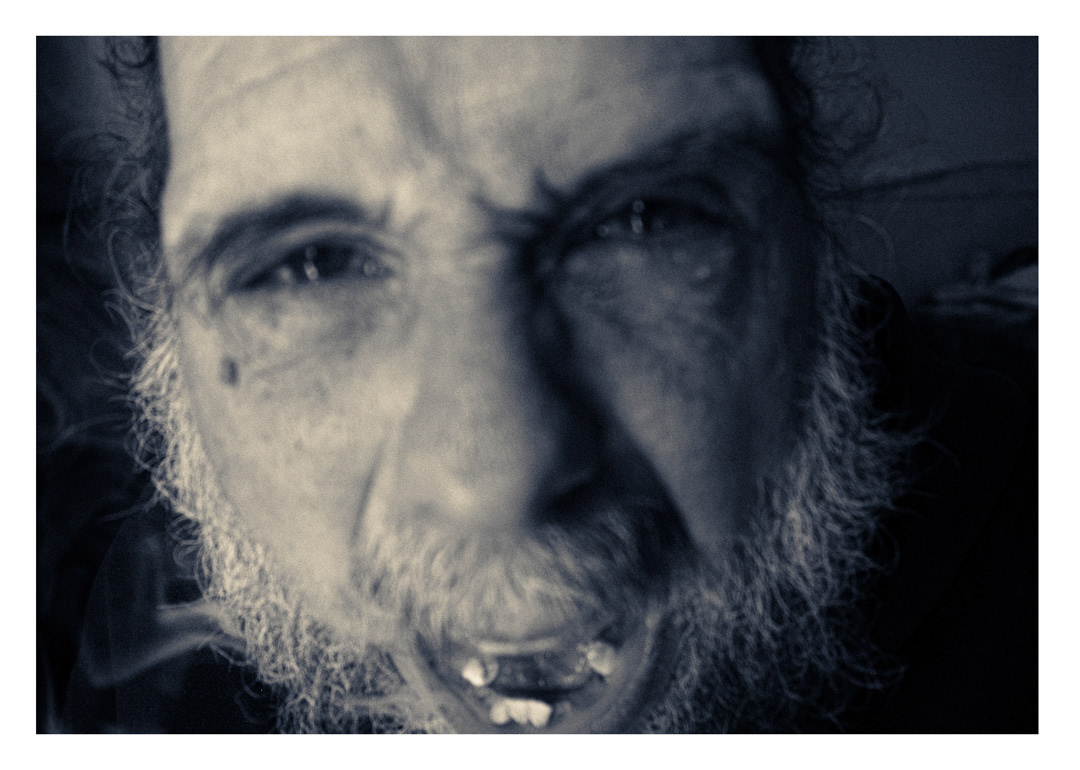
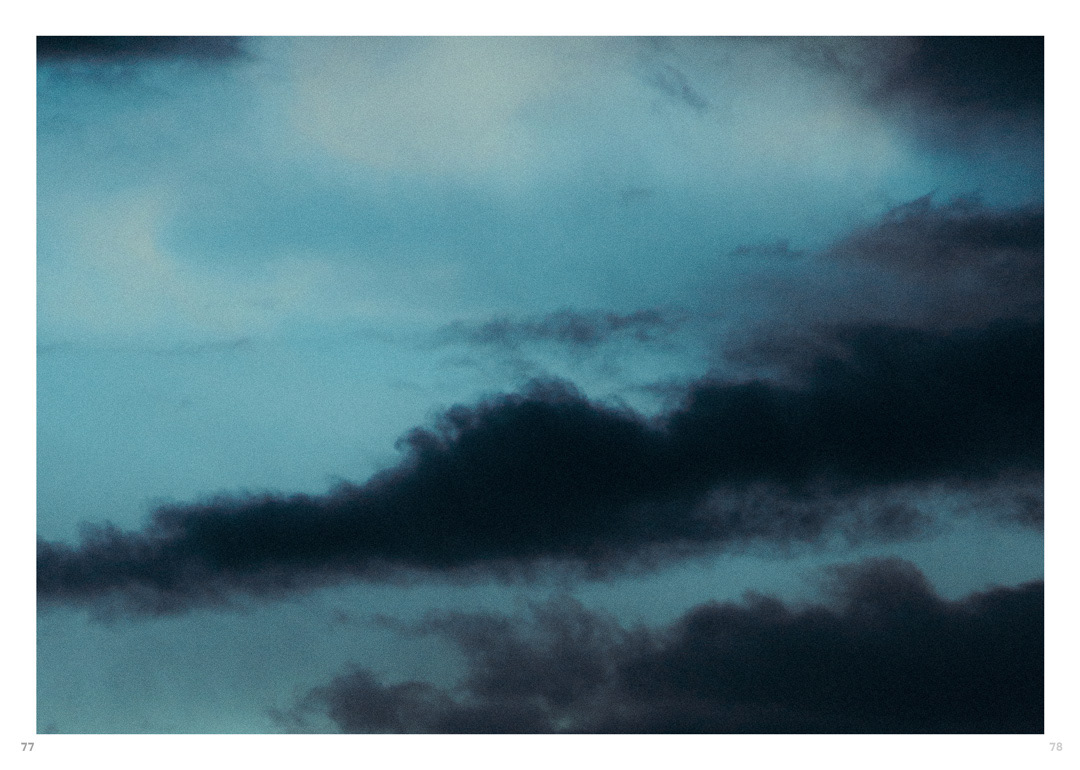
Sawtooth waves, or Beta waves. A specific "burst" of electrical activity that often occurs just before rapid eye movement.
Fast, "monochrome" brain activity; like our brains are arguing or being interrogated.
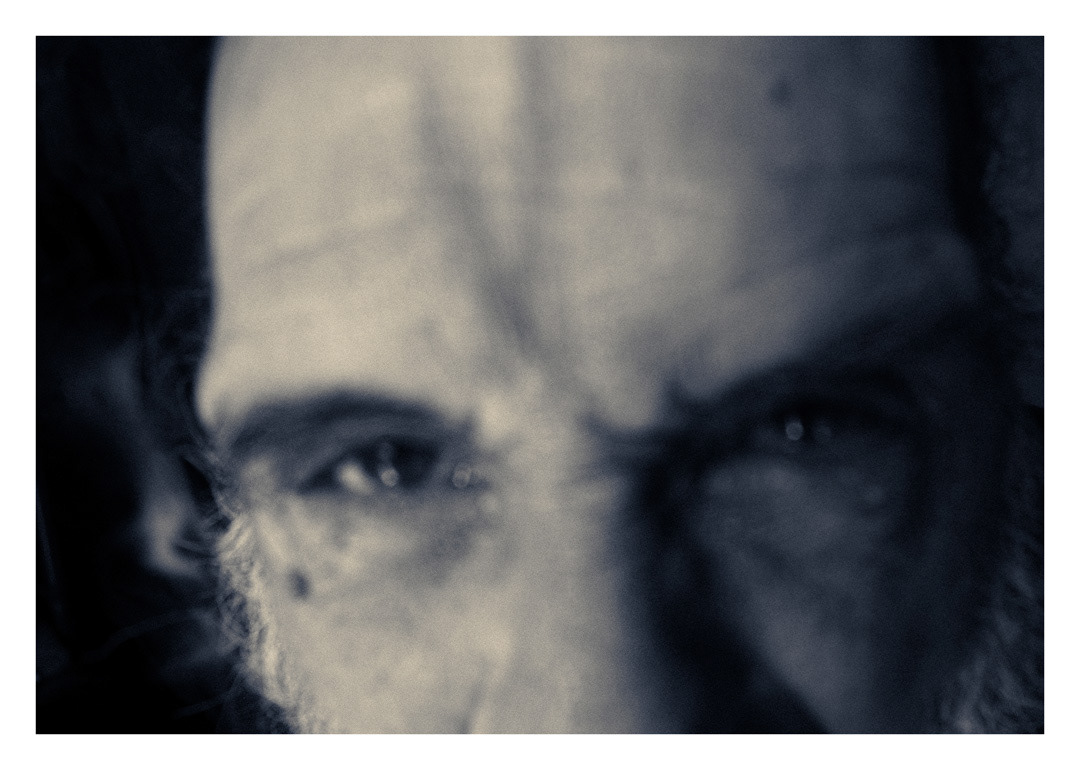
"I am a stranger to myself in sleep.
A character I have yet to meet."
5.
FLUIDITY
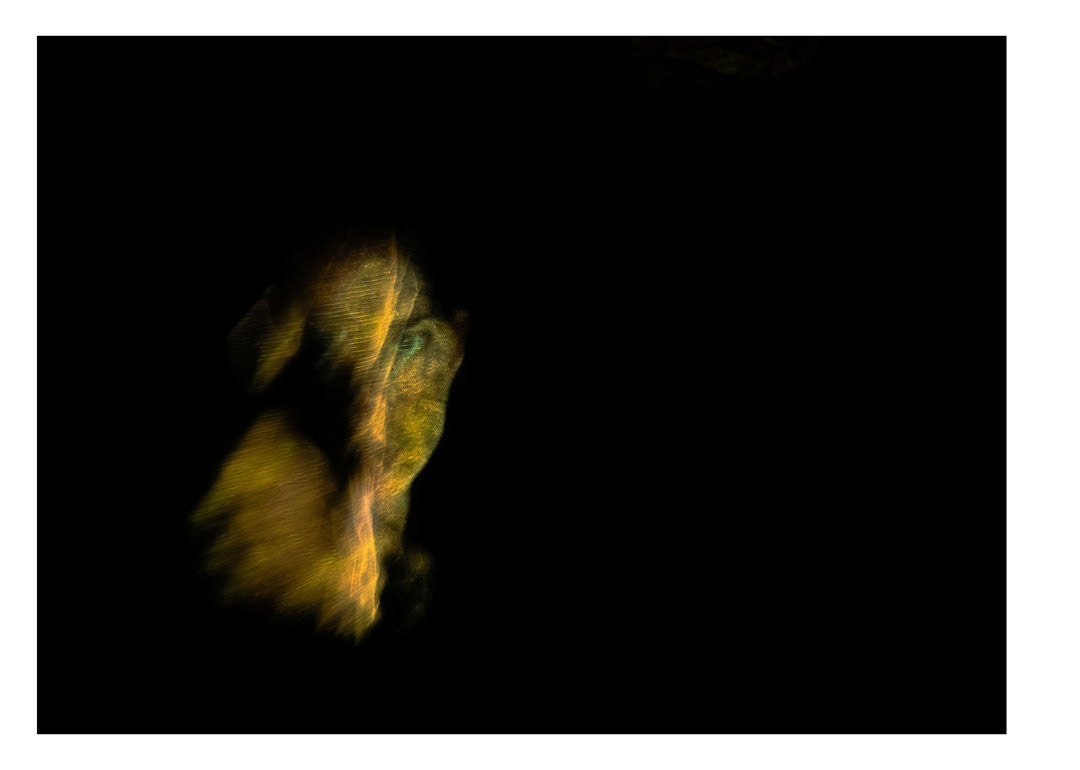
Frequency 4.8 Hz is a highly active state where the brain’s "self-map" (the parietal lobe) becomes fluid, allowing for the "bigger than my outsides" sensation.
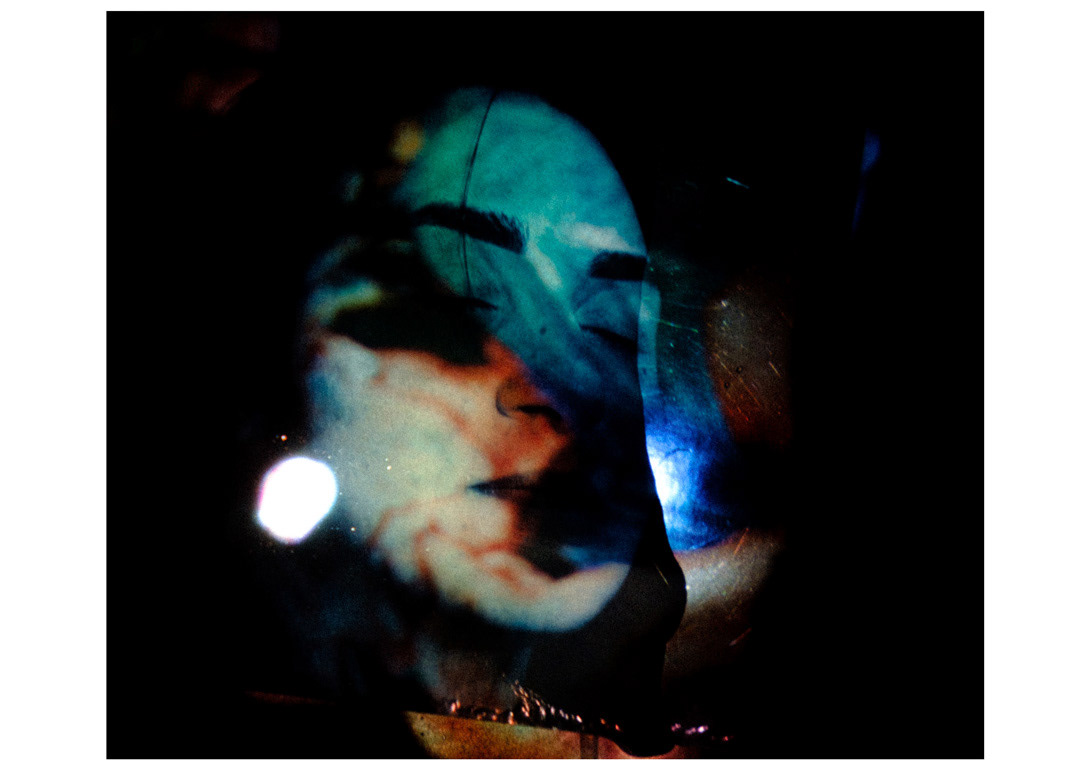
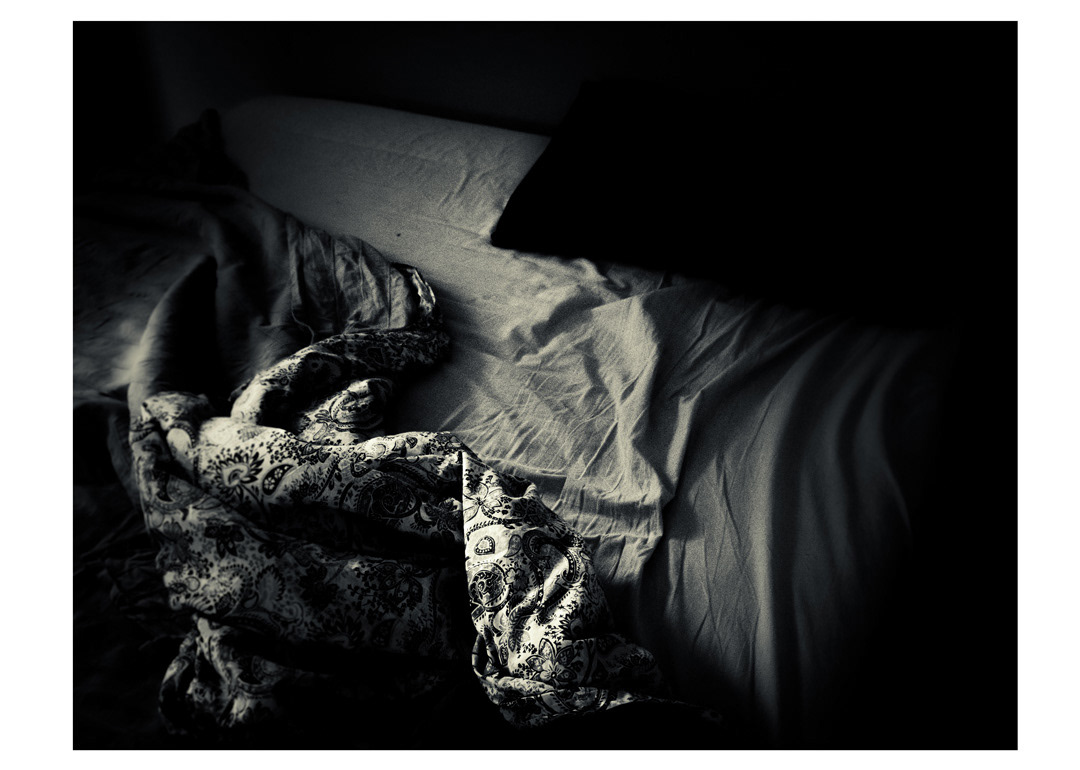
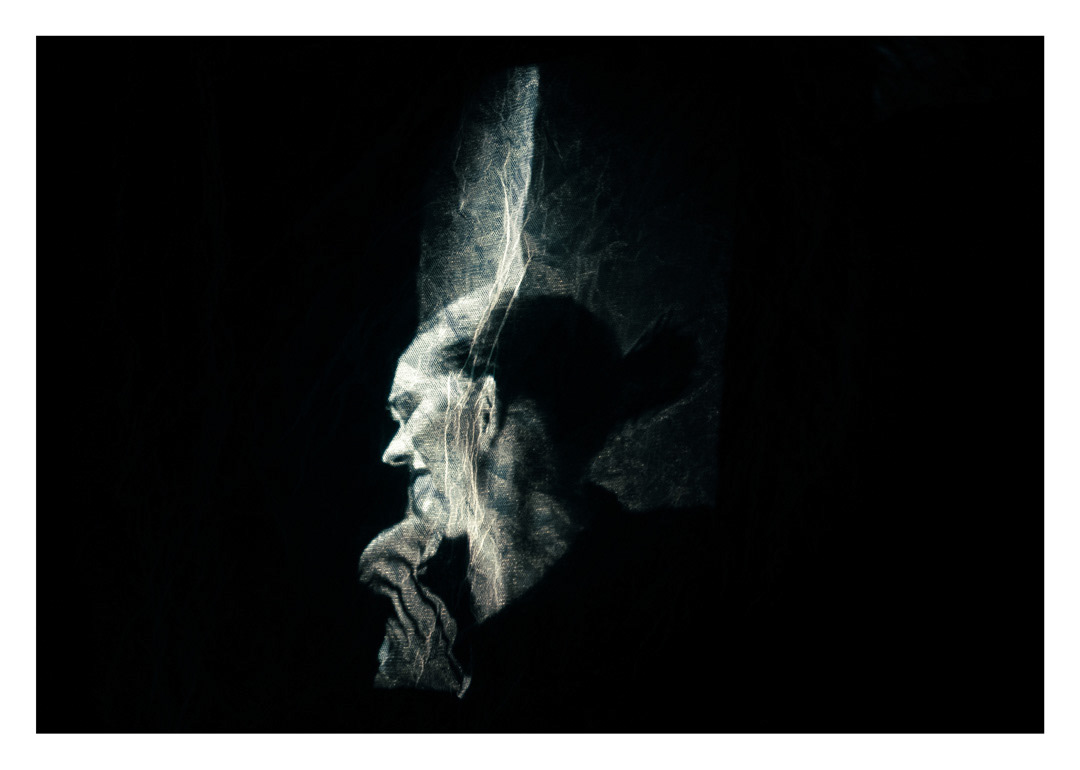
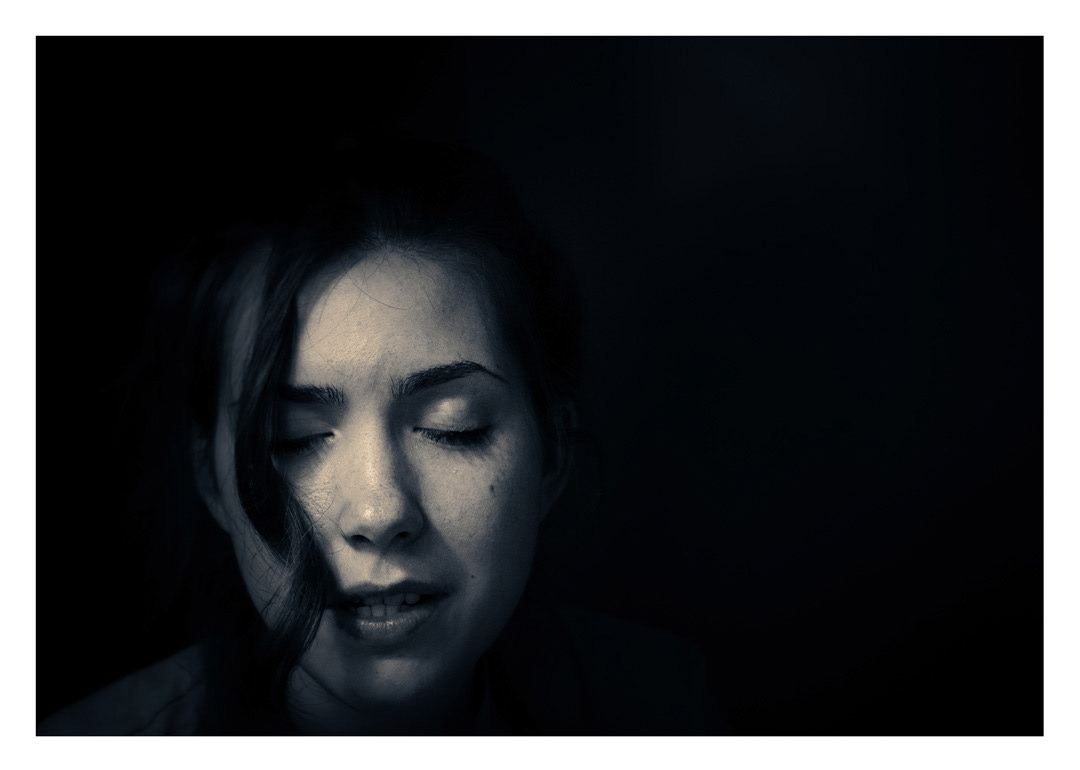
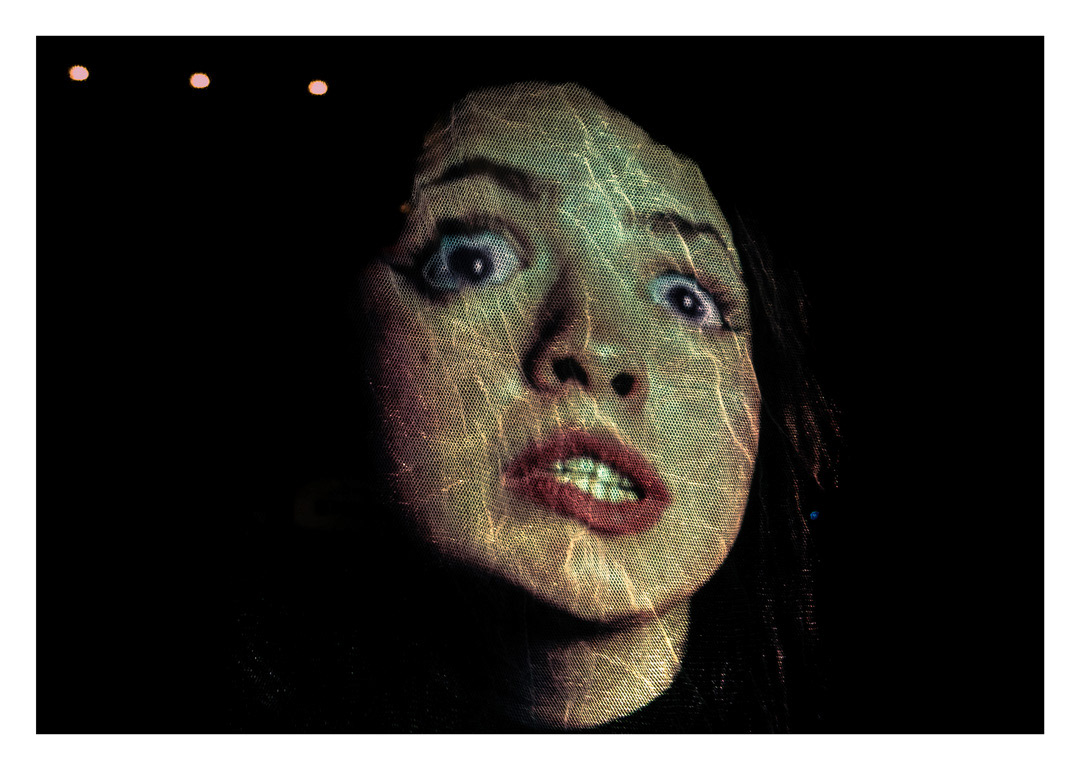
"I looked in the mirror and my face was a moving map of colours. I wasn't a woman or a monster; I was a collection of shifting desires. I felt bigger than the room."
6.
MAPPING
Spatial Memory Integration (Hippocampal Mapping). Latin Term: Locus Memoriae (Place of Memory).
Frequency: 4.2 Hz.is specifically tied to the hippocampus as it "sieves" through locations and environments to explore significant life events.
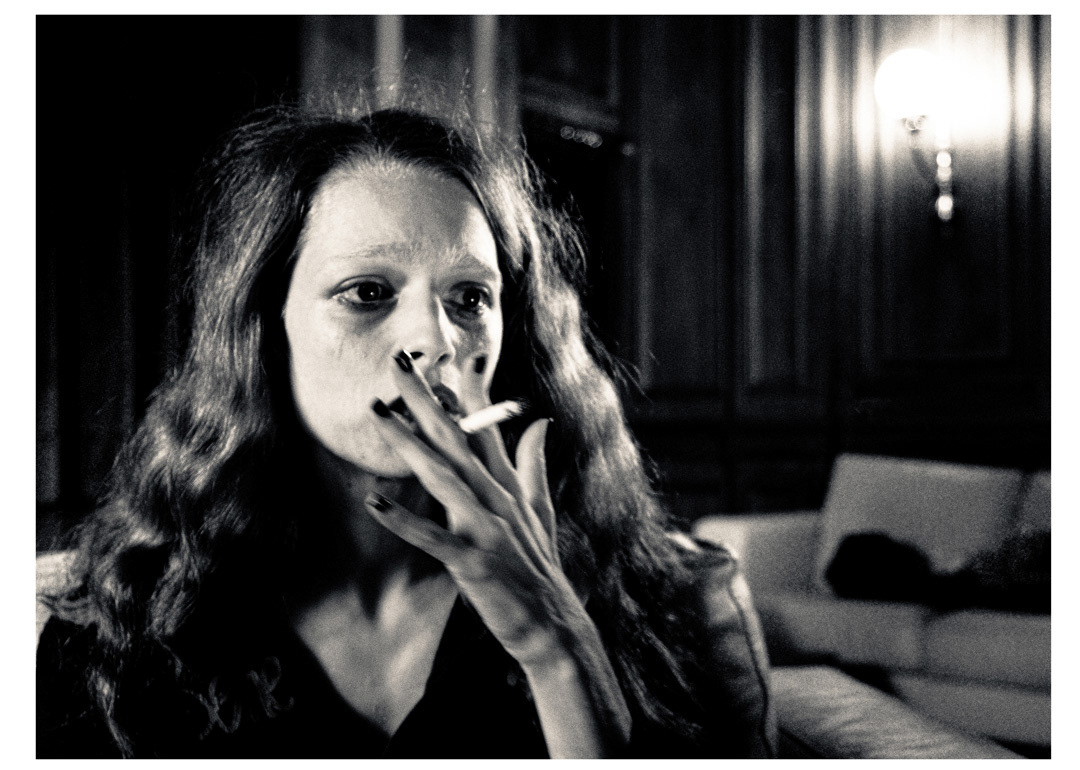
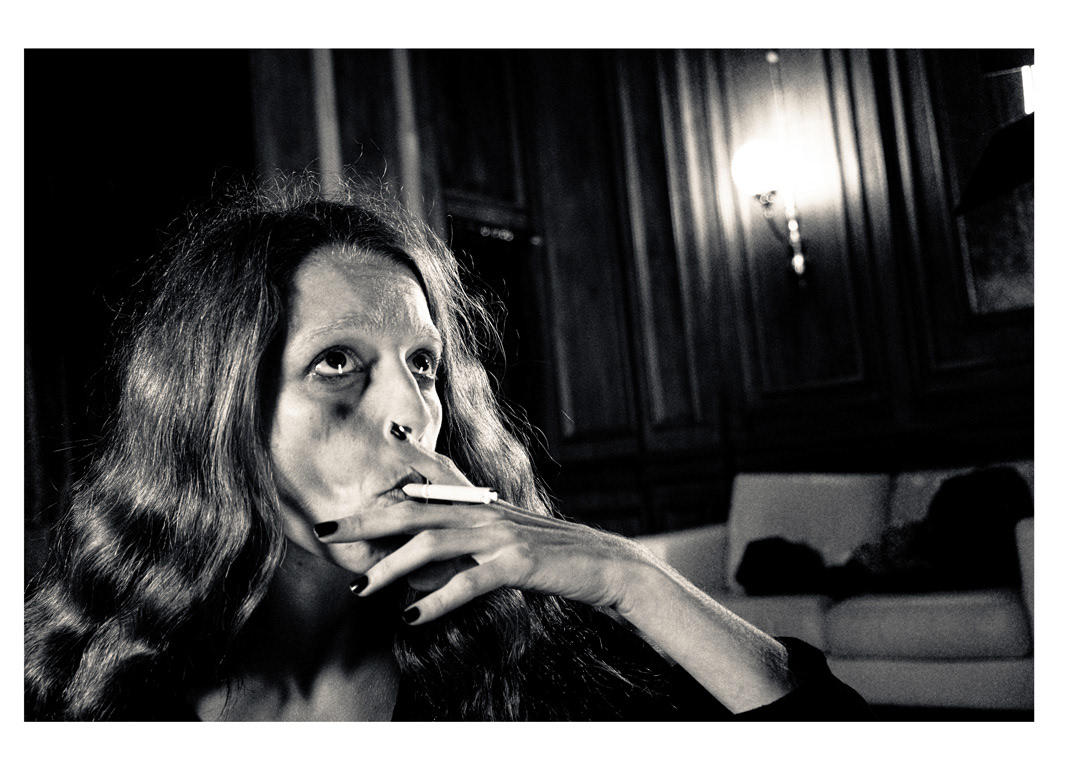
"The house was built of old memories, but the hallways were the wrong length. The wallpaper was peeling back to reveal a bright, burning light. Mum was there, but older. Much older.
We were arguing, but no sound was made. The argument was in the air between us. I try to shout, but the silence in the dream was a physical weight.
Mum was stained with colour. I saw coloured flashes of her eyes, her mouth. It was a sequence of 'almost-truths' that never quite added up to a person.”
For many years Giles Smith worked in theatre and film, guiding actors through the nuanced layers of character development and performance. He worked with actors from Italy, France, Germany, Greece, Malta, Iran, Tunisia, Israel, Palestine and the US, often in languages other than English, and taught at some of Europe's leading conservatoires.
He lives in Italy with his family.
Thanks to:
Flavio Marcoionni Edoardo Sani Noemi Bocci Roberta Catalano Elisabetta Pace Paola Gaudenzi
Orlando Devere Smith Beatrice Presen Luca Fiore Andrea Grande Andrea Grasso Smilla Ciarambino &“il pollaio”